Mt. Kilimanjaro Health & Safety

  • Home
  • |
  • Mt. Kilimanjaro Health & Safety
Hiking Tips

Mt. Kilimanjaro Health and Safety

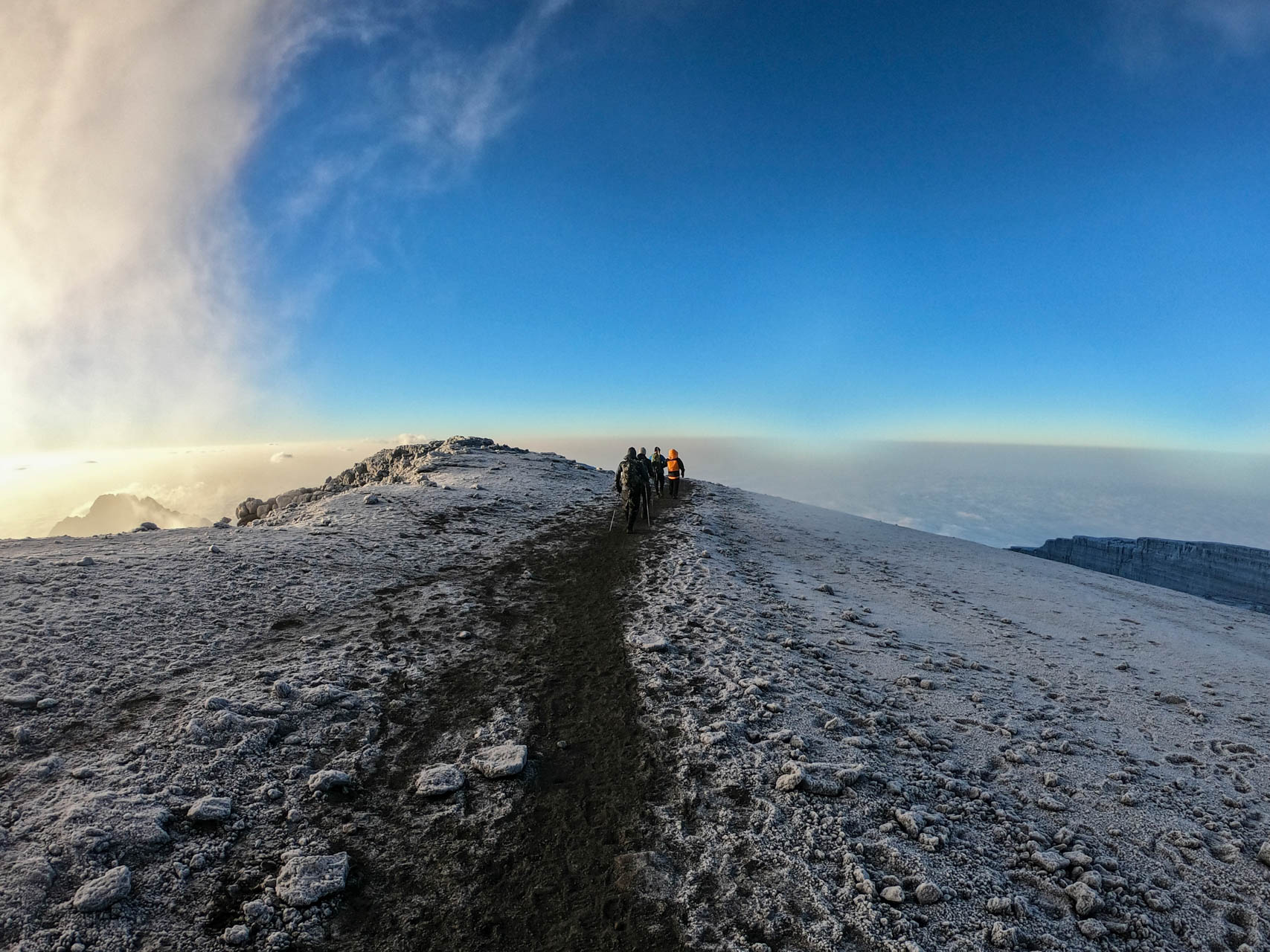
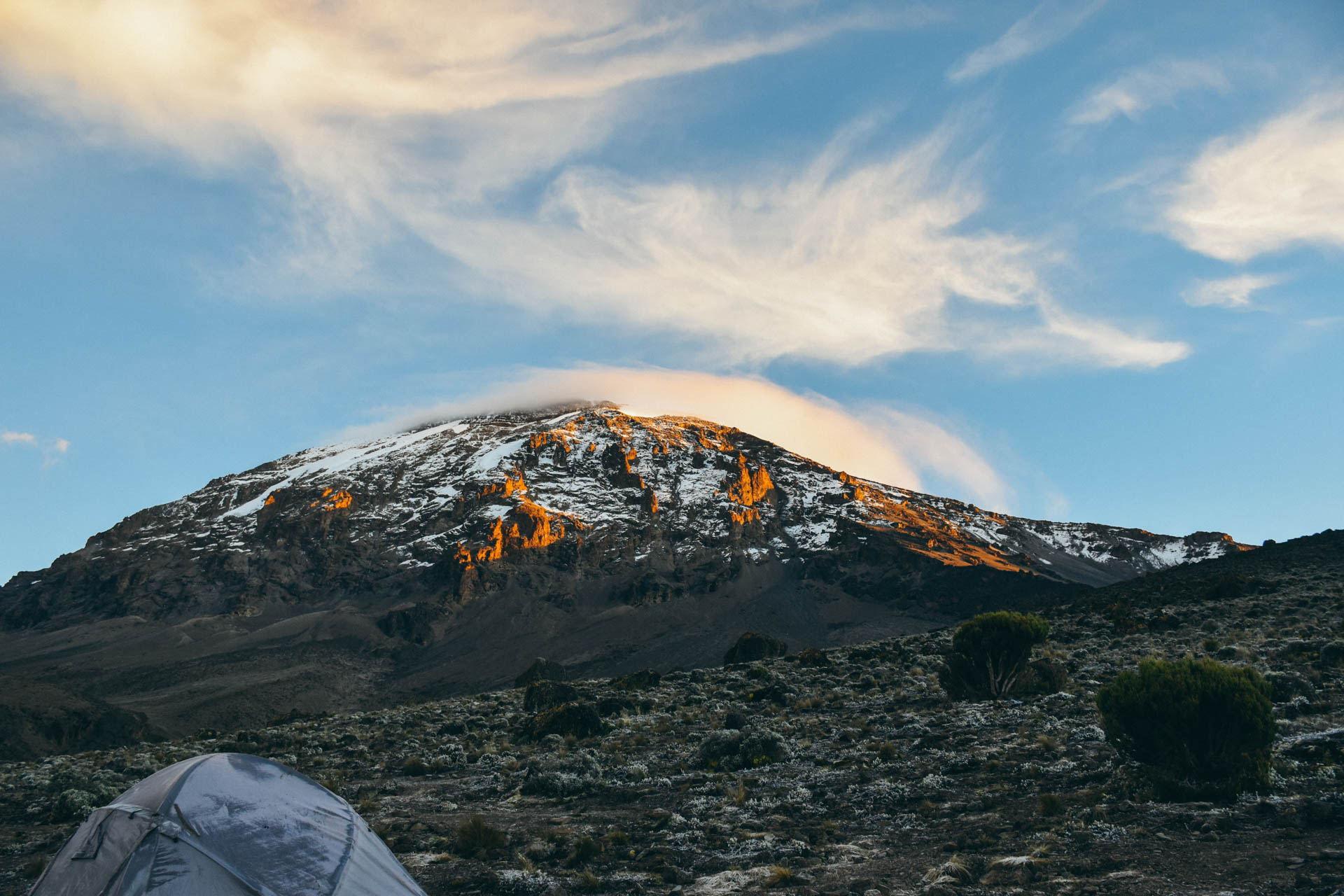
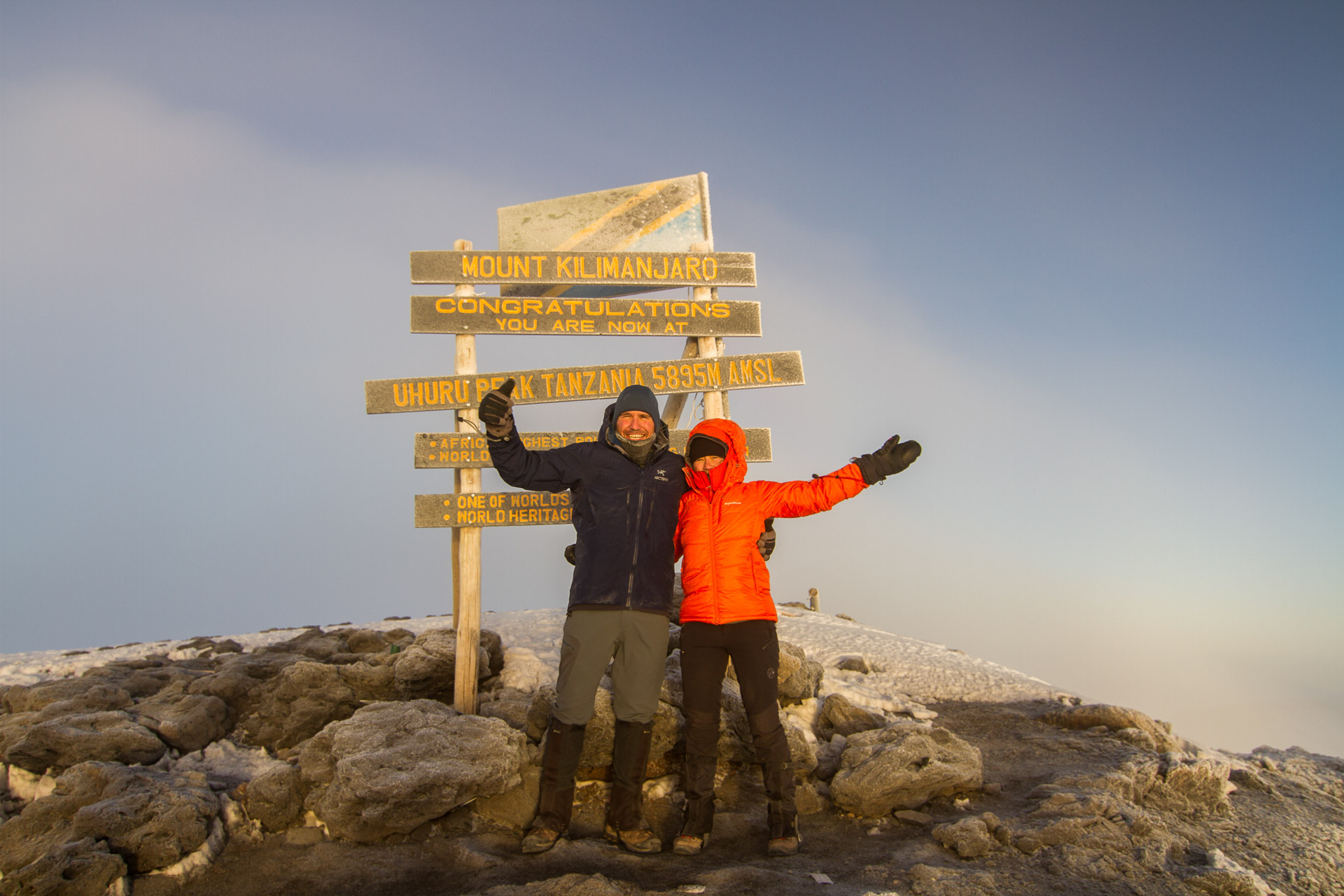
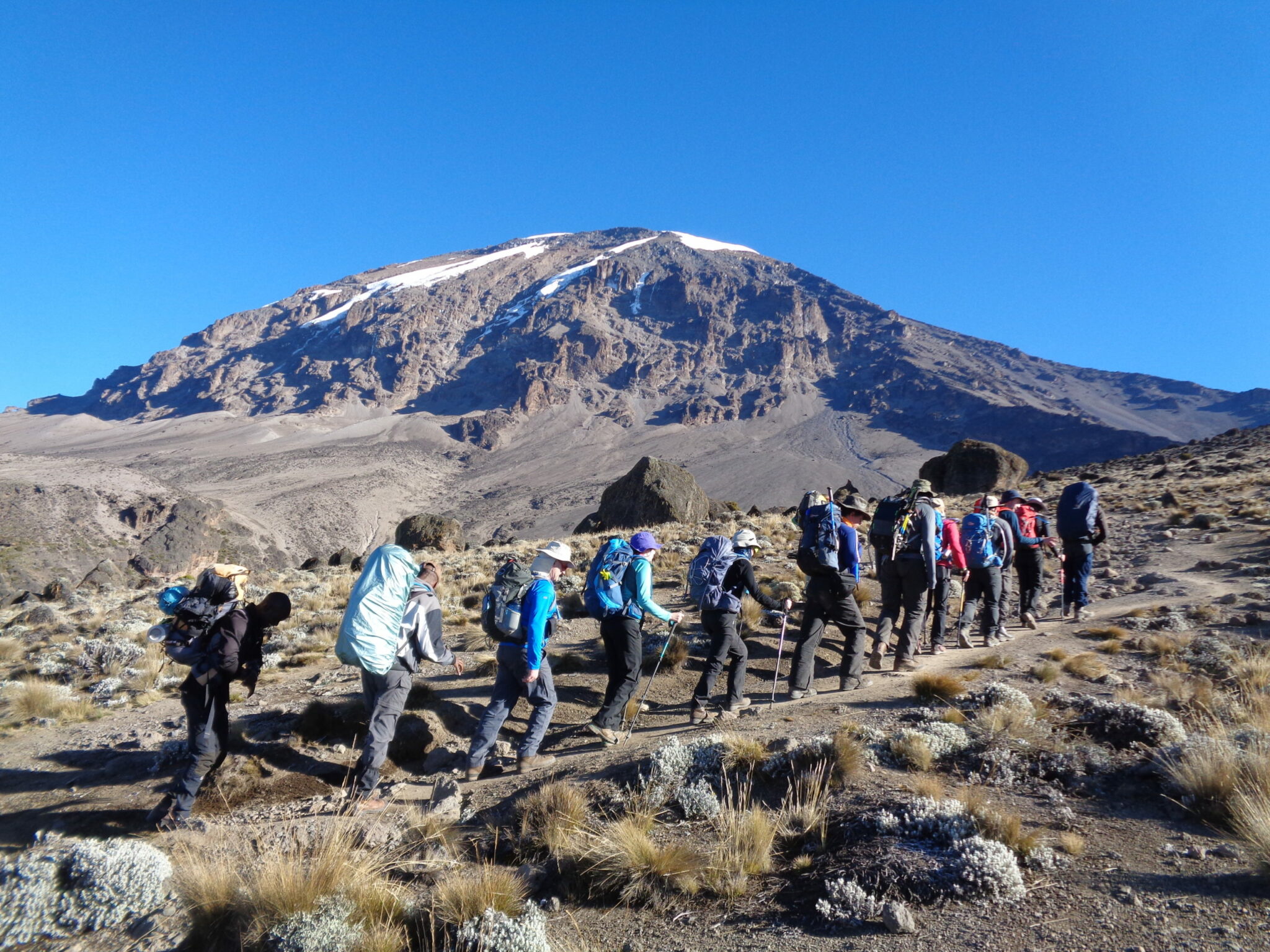
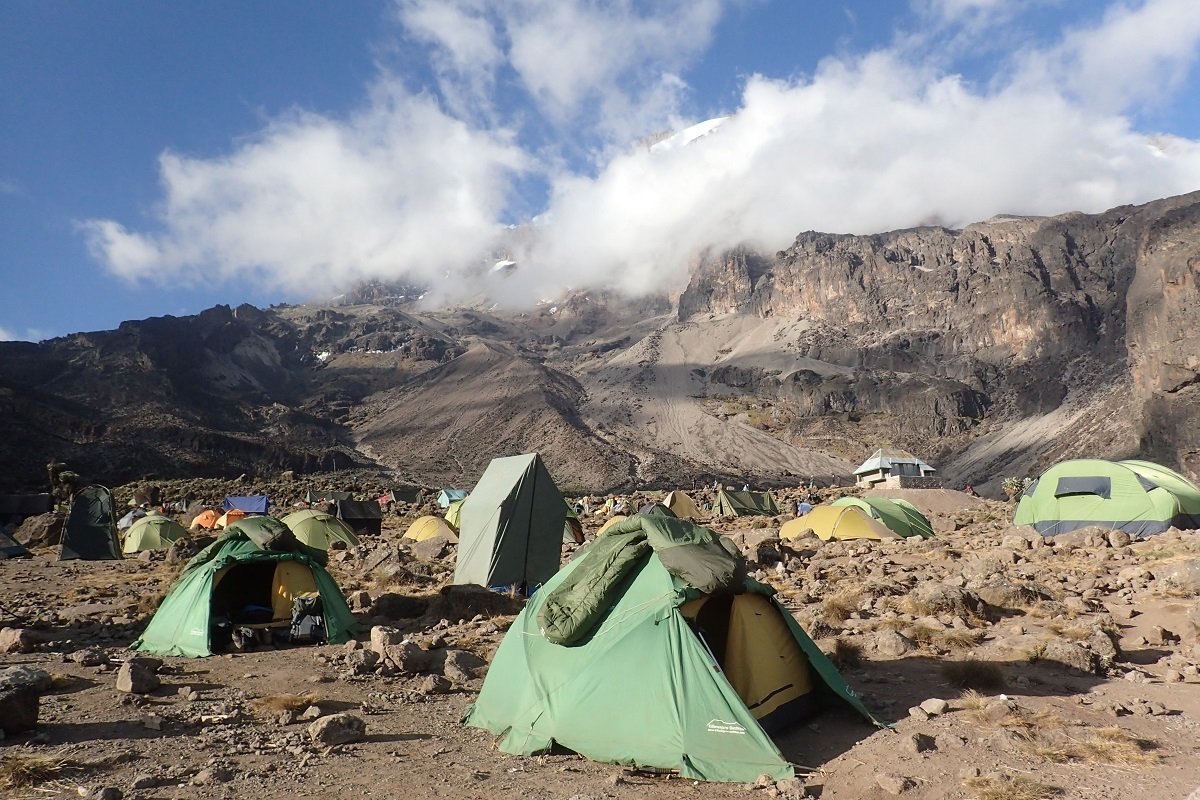
Once you decide to climb Mount Kilimanjaro, it’s important to think about your health and safety to ensure a successful and enjoyable trek. Climbing at high altitude presents unique challenges, and being prepared helps reduce risks and makes the experience more comfortable. Understanding how your body reacts to changes in altitude and weather is key to staying safe on the mountain.

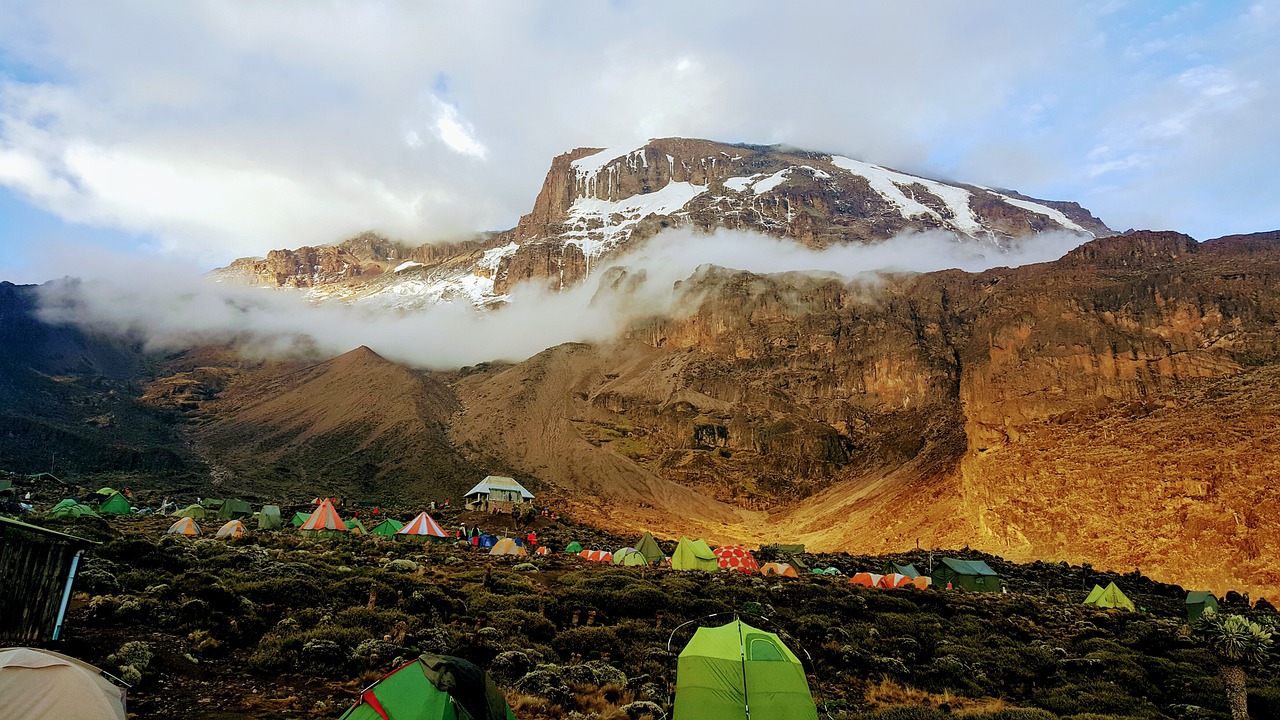
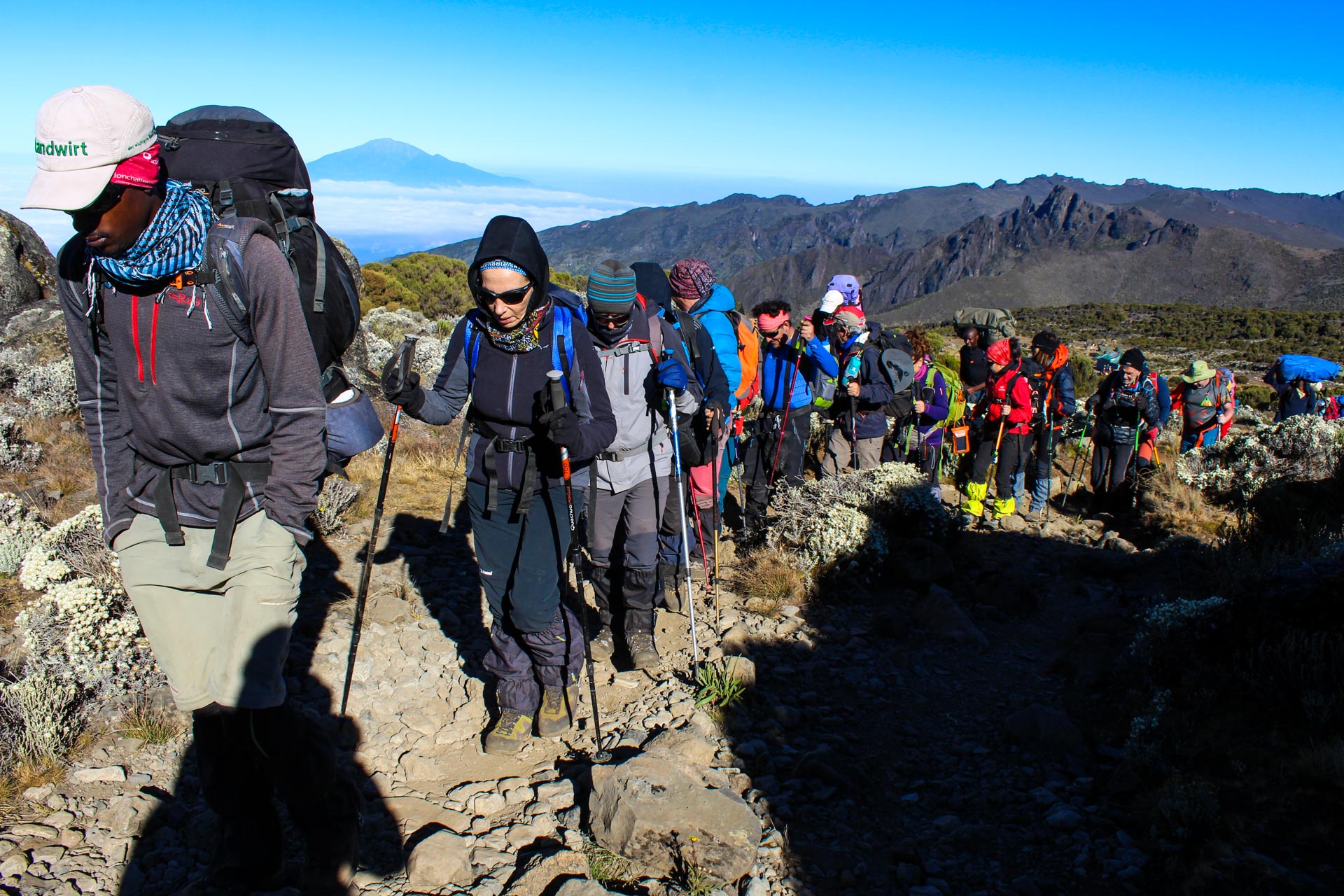
During the climb, you may face physical tests and health challenges caused mainly by the high elevation and changing environment. Altitude sickness is the most common concern, which happens when your body struggles to adjust to lower oxygen levels. Being aware of the symptoms and listening to your guides is essential. Proper acclimatization, staying hydrated, and pacing yourself will help you manage these effects and increase your chances of reaching the summit safely.

LET'S TALK

Start planning your tailor-made trip by contacting our Tanzania specialist, Mr. Peter.

+255 766 808 335

Reason to Choose Us

Why You Should Hike With Us

Choosing Twende Africa Tours for your mountain hiking adventure in Tanzania is a smart choice. Whether you’re climbing Mount Kilimanjaro, Mount Meru, or exploring the Usambara Mountains, they offer a safe, fun, and well-organized experience. Their team of experienced guides will support you every step of the way with good equipment, tasty food, and personalized service based on your needs. Twende Africa Tours also cares about local communities and the environment, so your trip will have a positive impact. It’s the perfect way to enjoy the mountains with a team you can trust.

Health And Safety

We will say it once and we will repeat it often: health and safety on the climb is our top priority, and it has to be yours, too. So, here’s the chance to find out what we do to provide you with the safest climb possible. And you can also learn what you can do to help.

Our advice looks at safety specific to a Kilimanjaro climb at any time, as well as a climb during the coronavirus era, the important question of altitude sickness, how to plan and prepare, the important daily health checks we carry out and the process of rescue and evacuation – in the unlikely event that it becomes necessary.

About

Altitude Sickness And How To Prevent It

Climbing Mount Kilimanjaro is a thrilling adventure, but the high altitude can pose serious challenges if you’re not prepared. One of the biggest risks trekkers face is altitude sickness, which can affect anyone regardless of age or fitness level. In this section, we’ll share practical tips and important advice to help you prevent altitude sickness and stay healthy as you make your way to the summit.

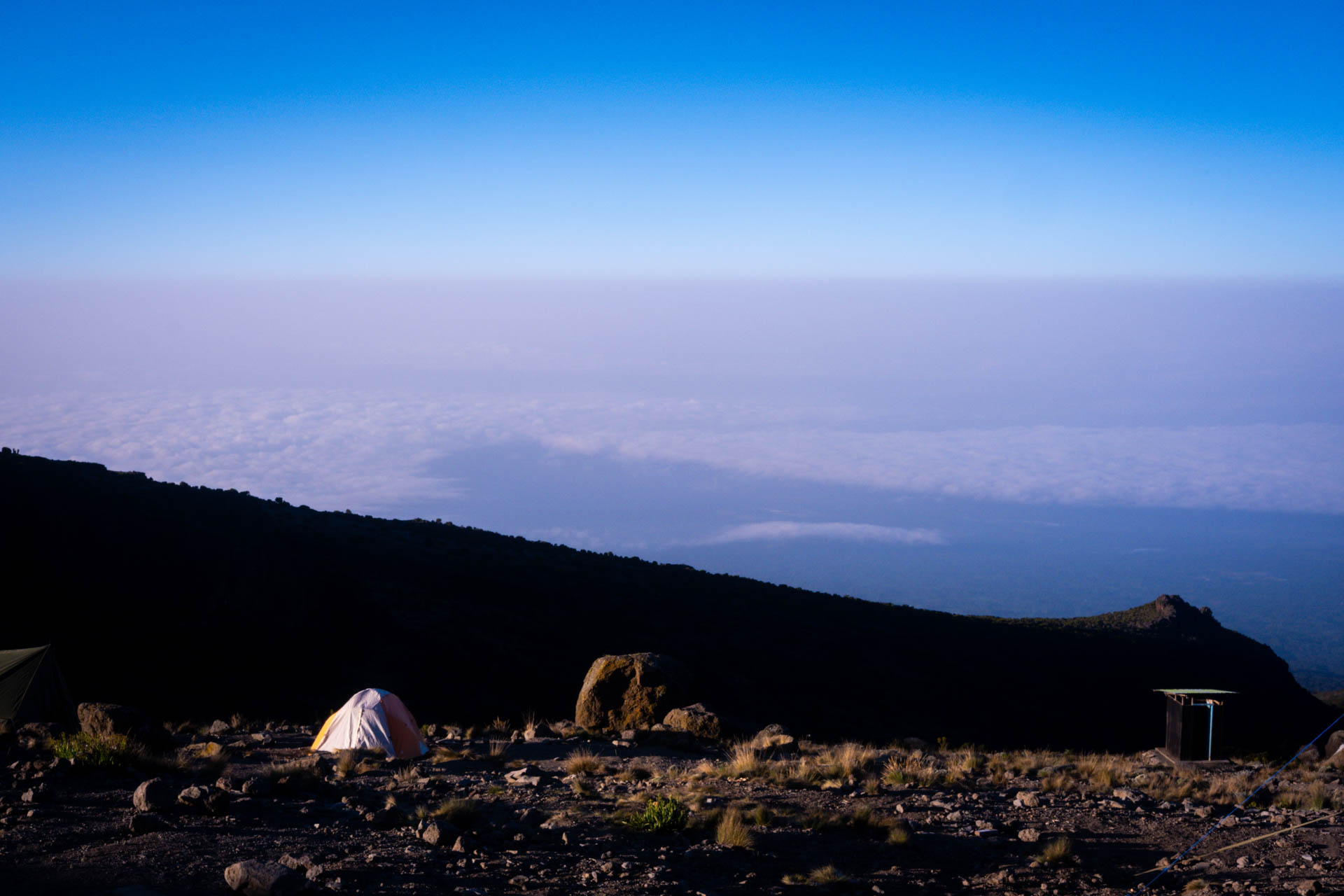
Altitude sickness is a systemic issue on Mount Kilimanjaro. This is partly to do with the fact that Kilimanjaro is a high altitude trek, but more critically because the speed of ascent on most Kilimanjaro routes is relatively rapid. Acclimatization is the process by which the body becomes accustomed to lower availability of oxygen in the air and can only be achieved by spending time at various levels of altitude before progressing higher.

Here are some tips to prevent altitude sickness:

Ascend gradually. If possible, spend a few days at intermediate altitudes to allow your body to acclimate before going higher.

Drink plenty of fluids, avoiding alcohol and caffeinated beverages, as they can contribute to dehydration.


Consume easily digestible, high-carbohydrate meals. Avoid heavy, greasy foods.

Some medications, like acetazolamide (Diamox), can help prevent altitude sickness. Consult a healthcare professional for advice on medication before your trip.

Be aware of the symptoms of altitude sickness, which can include headaches, nausea, dizziness, fatigue, and difficulty sleeping.


If you or someone in your group experiences severe symptoms of altitude sickness, descend to a lower altitude immediately.


Rest often and avoid overexertion, especially in the first few days at high altitude.

Keep yourself warm to prevent cold-related issues that can exacerbate altitude sickness.


 In severe cases, supplemental oxygen may be necessary. Portable oxygen systems are available in many high-altitude areas.

Remember, altitude affects individuals differently, and there’s no guaranteed way to prevent altitude sickness entirely. Being attentive to your body’s signals and taking preventive measures can significantly reduce the risk. If you have pre-existing health conditions, it’s advisable to consult a healthcare professional before traveling to high altitudes.

Rescue And Evacuation

Climbing Kilimanjaro is a challenge, a proper challenge. Twende Africa Tours expertise and experience give you the best chance of getting to the top. But things can go wrong, so you need to know that your operator can react quickly and correctly to deal with any emergency. At Twende Africa Tours, our mountain crews know just what to do.

How Is the Rescue and Evacuation Done On Kilimanjaro?

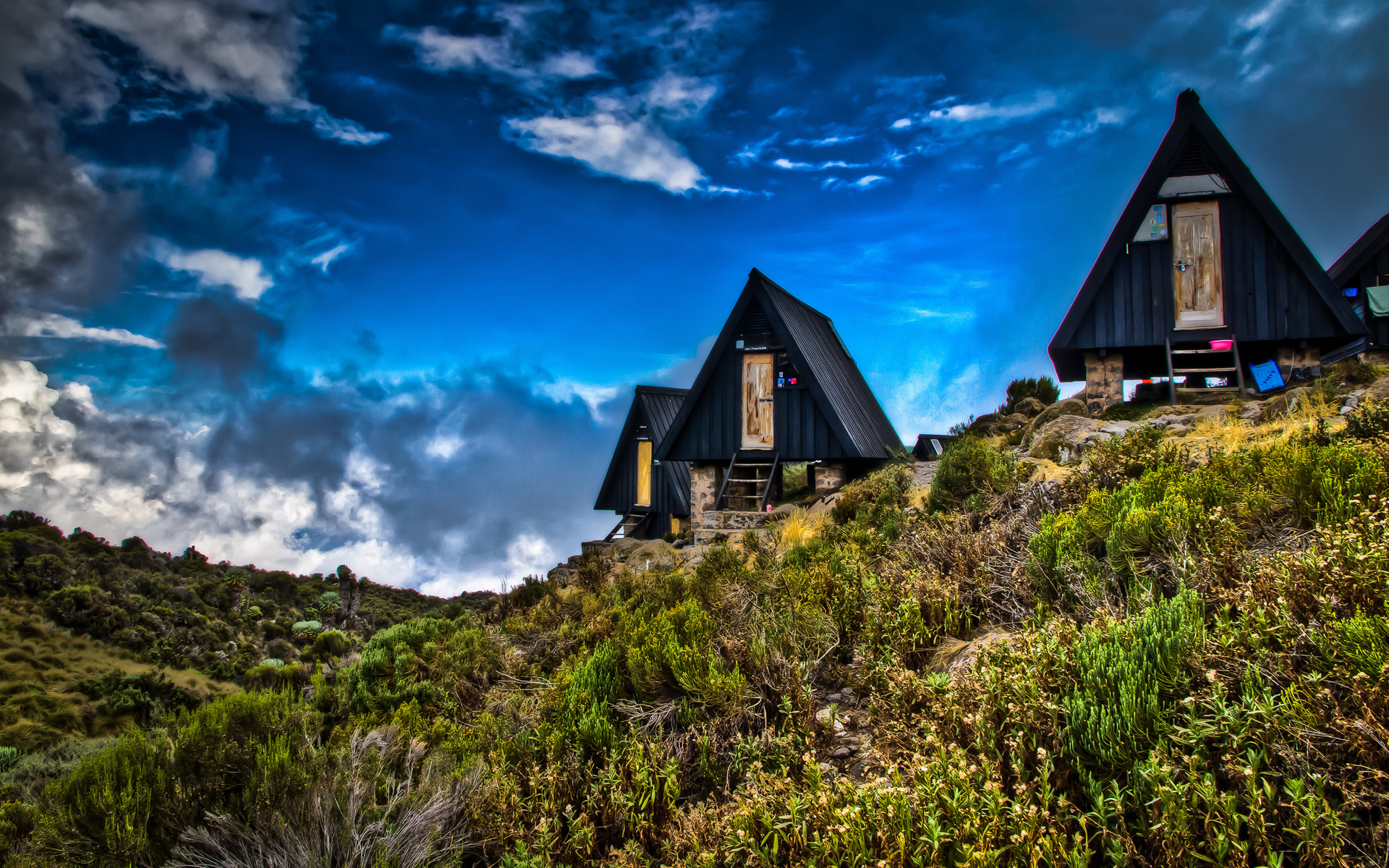
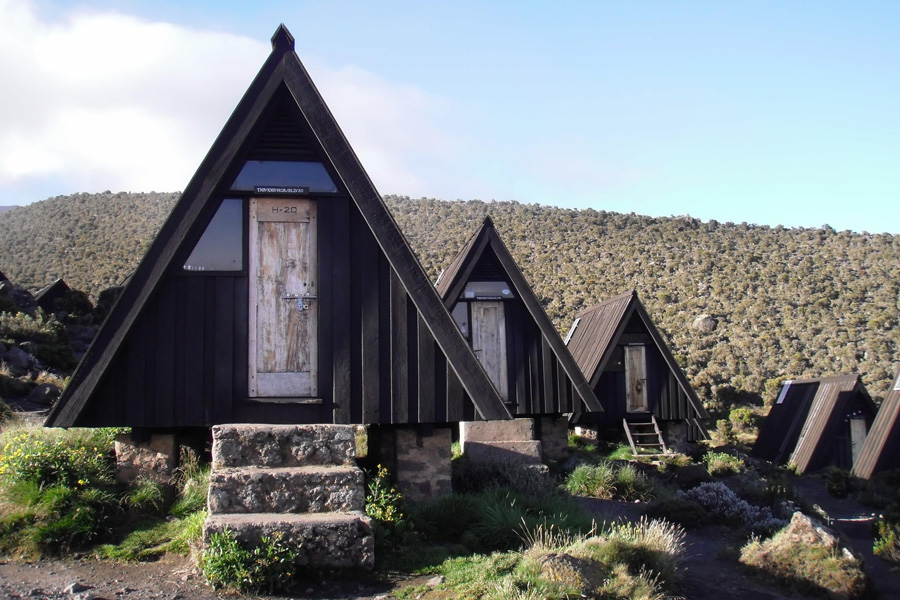
Two rescue vehicles are provided on standby by the Kilimanjaro National Park authorities, though these can access only certain locations on the mountain. On the Machame and Lemosho routes, the rescue vehicle can reach a point 45 minutes’ walk below the Shira Cave Camp and will then return with the climber to Londorossi Gate. On the Marangu and Rongai routes, the rescue vehicle can reach as far as Horombo Hut, and then takes the climber back down to the Marangu Gate.

At the relevant gate, an Twende Africa Tours driver will be waiting with our vehicle to transfer the climber to either the hospital or hotel, depending on their condition at the time.

In the event that a rescue vehicle is required, the Twende Africa Tours mountain guide will contact the ranger post on the mountain. The ranger post then radios the Kilimanjaro National Park Authority to arrange for the rescue vehicle.

Thankfully, not every injury or illness requires a climber to be evacuated urgently from the mountain. In the case of a condition that is less severe, but which prevents the climber from continuing with the climb, you can rest assured that one of your experienced Twende Africa Tours mountain guides will accompany you back down the mountain to the starting-point. From there, Twende Africa Tours will transfer you to a hotel to rest and to receive medical attention, should that be necessary. Please be aware that any extra nights spent in hotels in addition to the night at the start of the trip, and the night at the end, will have to be paid by the climber in addition to the trip cost. During your recuperation time in the hotel, Twende Africa Tours will be closely monitoring your recovery.

If you have chosen the Marangu Route for your Kilimanjaro climb, then specially designed Stoller-type stretchers are available in the event of severe altitude sickness, leg injury or other illness/injury which might require evacuation of the climber. These stretchers incorporate a large wheel in their design, which makes it unnecessary for the climber to be carried on the back of a mountain crew member. Each hut on the Marangu Route is equipped with one of these, but note that they are not available on other Kilimanjaro routes.

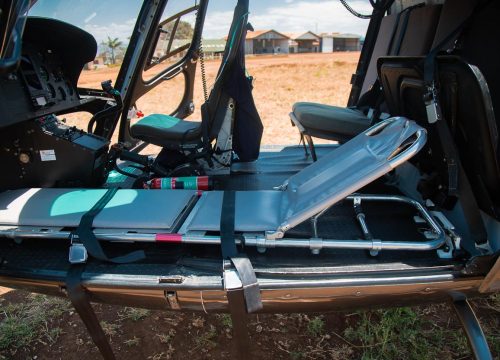
Your guides also know when things are serious and evacuation by helicopter is the only option. This is done with the recognized rescue organization, Kilimanjaro Search and Rescue (SAR).

This organization works in partnership with Twende Africa Tours (and other operators) and provides a helicopter rescues operation on Mount Kilimanjaro. SAR operate Airbus AS 350 B3 helicopters out of the nearby airport at Moshi.

The service involves mobilization of trained and experienced pilots, aircrew and rescue doctors who are all used to whatever situation might arise on the mountain. Response to any emergency call is swift. In conjunction with the actual rescue operation, SAR also operates a specialist medical facility, focusing on conditions caused by high altitude. Treatments is available 24/7, from the SAR medical teams.

To be eligible for the services offered by SAR, you must ensure that you have the necessary travel insurance. This must include cover for high-altitude trekking up to 6,000 meters.

Suggested Tours

Mount Kilimanjaro Hiking Adventures

Hiking Tips

Ultimate Kilimanjaro Hiking Guide

Go Hiking with Us

Alternative Hiking & Trekking Spots in Tanzania

In the land of the world’s tallest free-standing mountain, the hearts of climbers race with excitement. Tanzania captivates visitors of all ages with its stunning landscapes, rugged peaks, and rich vegetation set against unique cultural scenes. Our range of trekking routes provides hiking adventures for everyone, no matter your fitness level or experience.
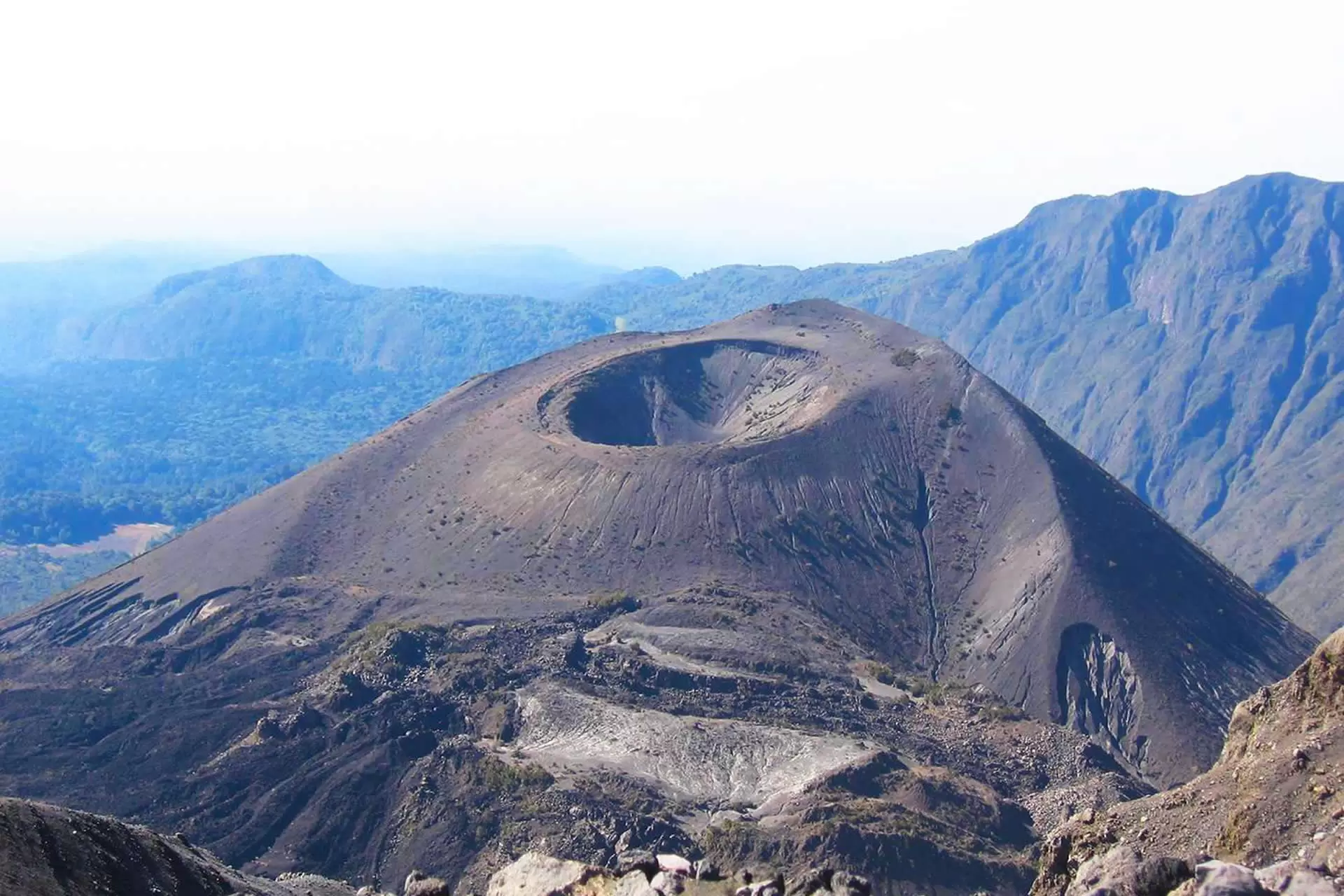
Mount Meru
Trekking

Mount Meru

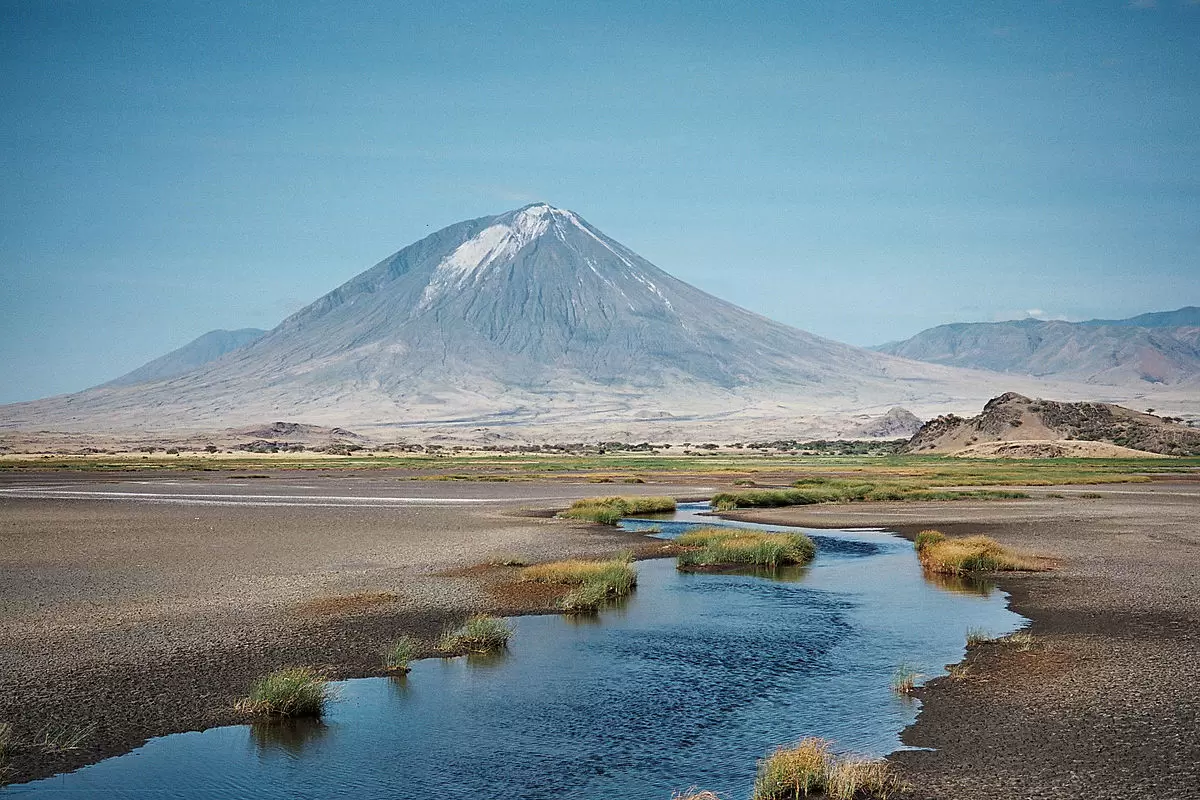
Mt. Ol Doinyo Lengai
Hiking

Mt. Ol Doinyo Lengai

Usambara Mountains
Hiking

Usambara Mountains

Plan Your Climbing Adventure Today
100% Flexible

Plan Your Climbing Adventure Today

ENQUIRE NOW
Our testimonials

What our traveler say about our services

We have been receiving reviews from our served clients and Twende Africa Tours is rated 5/5 by customers. This honor is given to us by customers because we always remain committed to all our customers to do whatever is needed by them to make their safari fully satisfied.
Travel Tips

Our Mountain Hiking Travel Articles

Planning a hiking trip to Africa? We’re here to help! This page has easy tips and helpful info to guide you through planning your hiking adventure in Tanzania—like what to pack, when to go, and which trail to choose. You’ll also find fun articles about Tanzania’s people, animals, and culture. Everything is shared by the Twende Africa Tours team, who have lived and worked in Tanzania for over 10 years.