Lemosho Route 7 Days Hiking

ITINERARY OVERVIEW

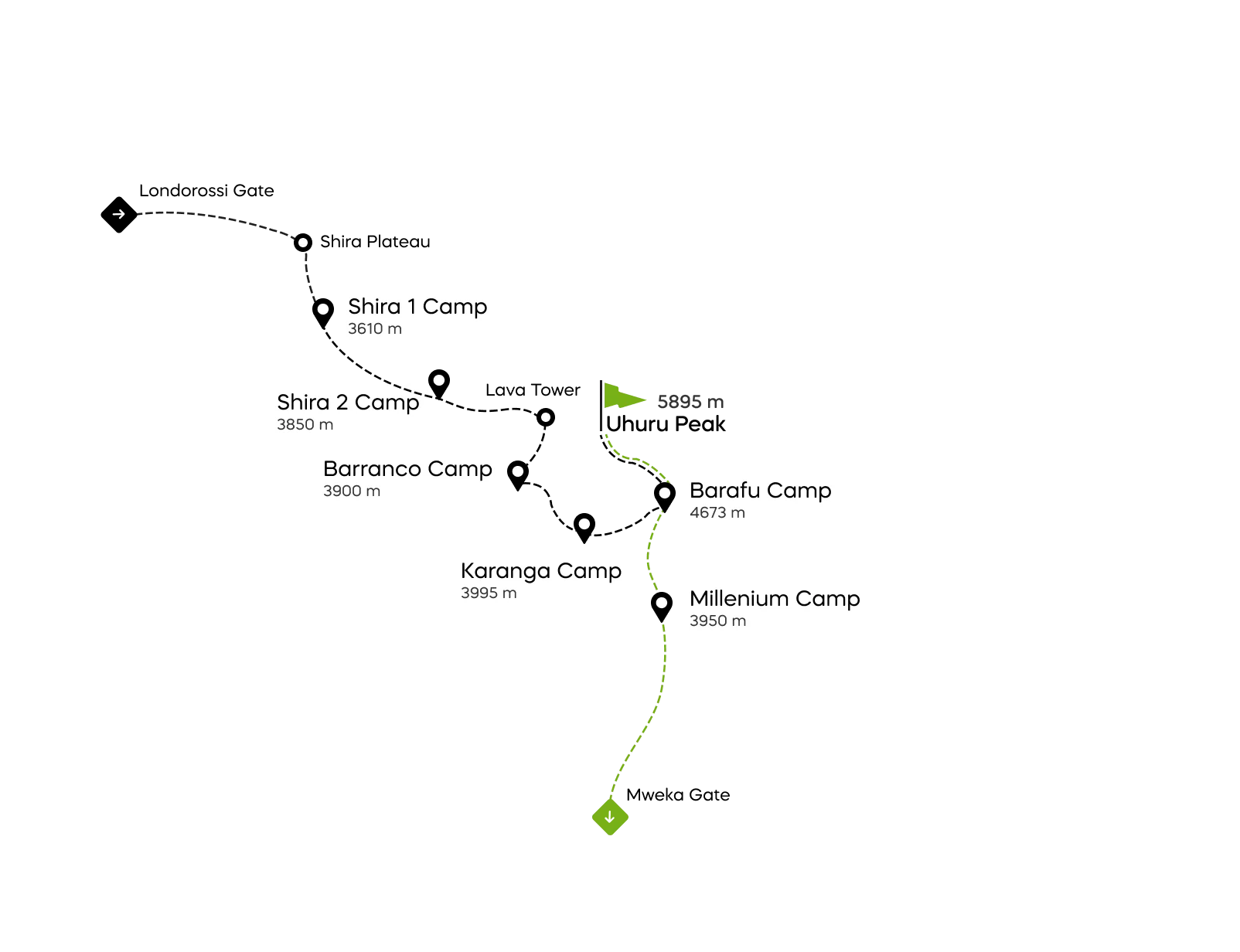
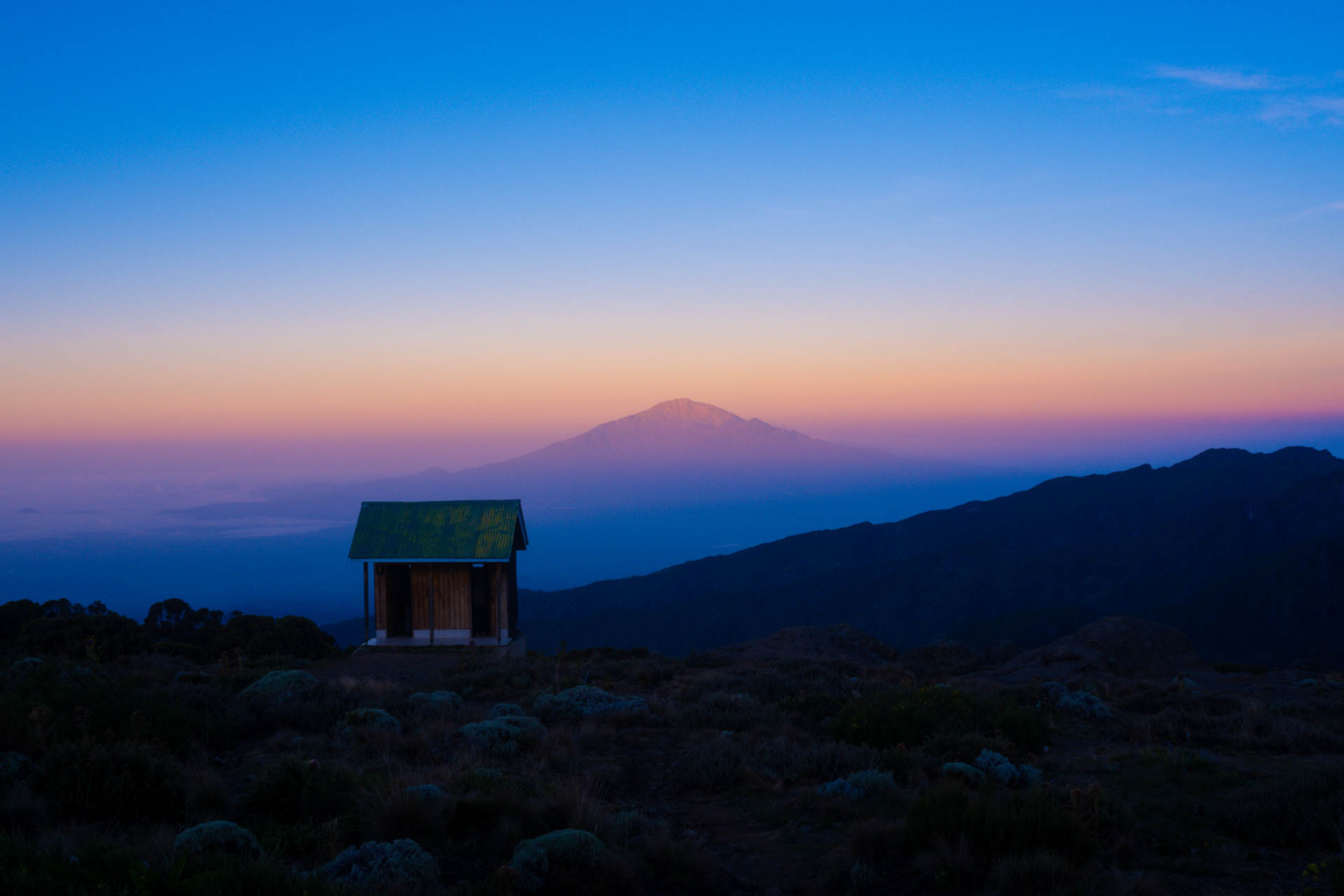
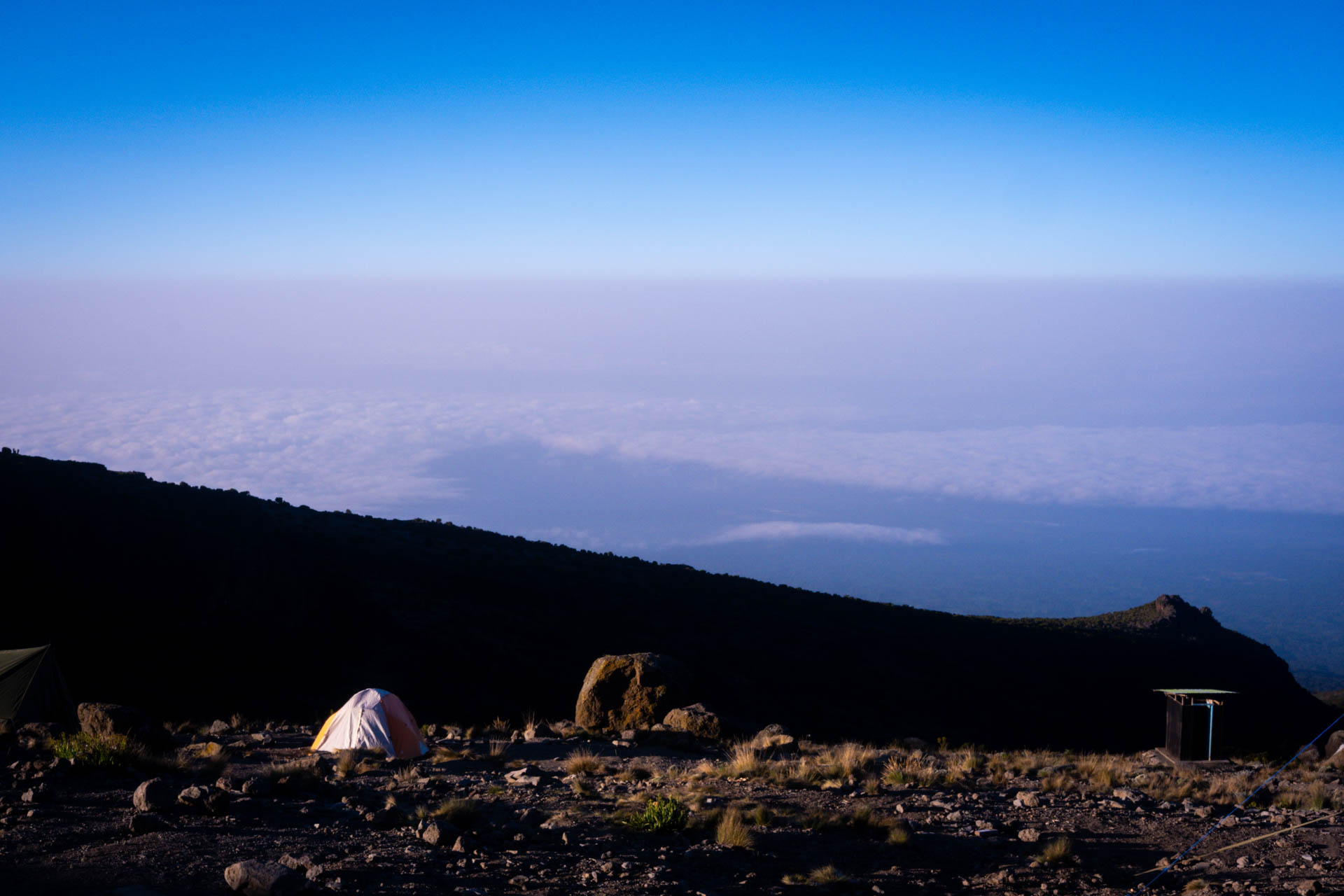
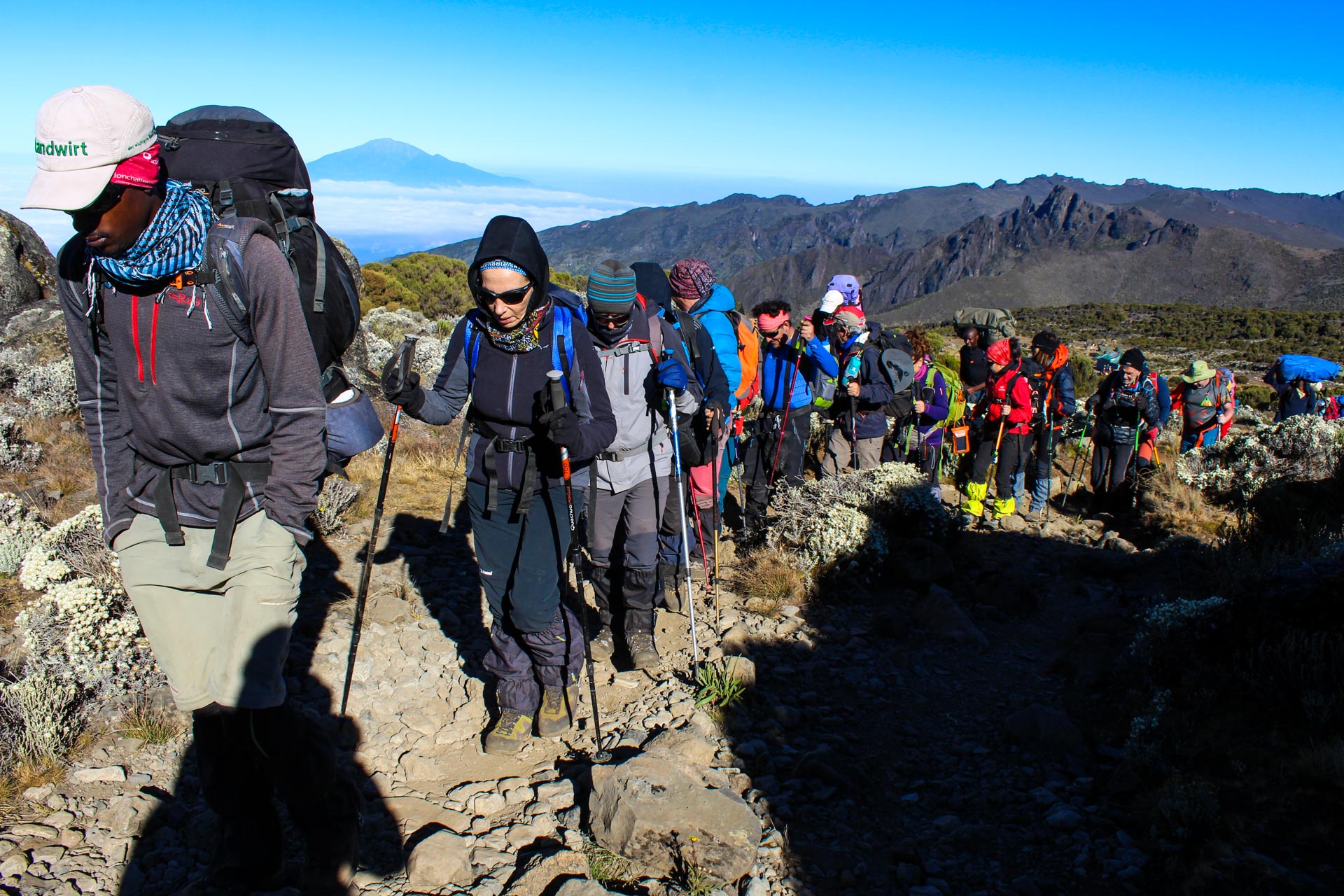
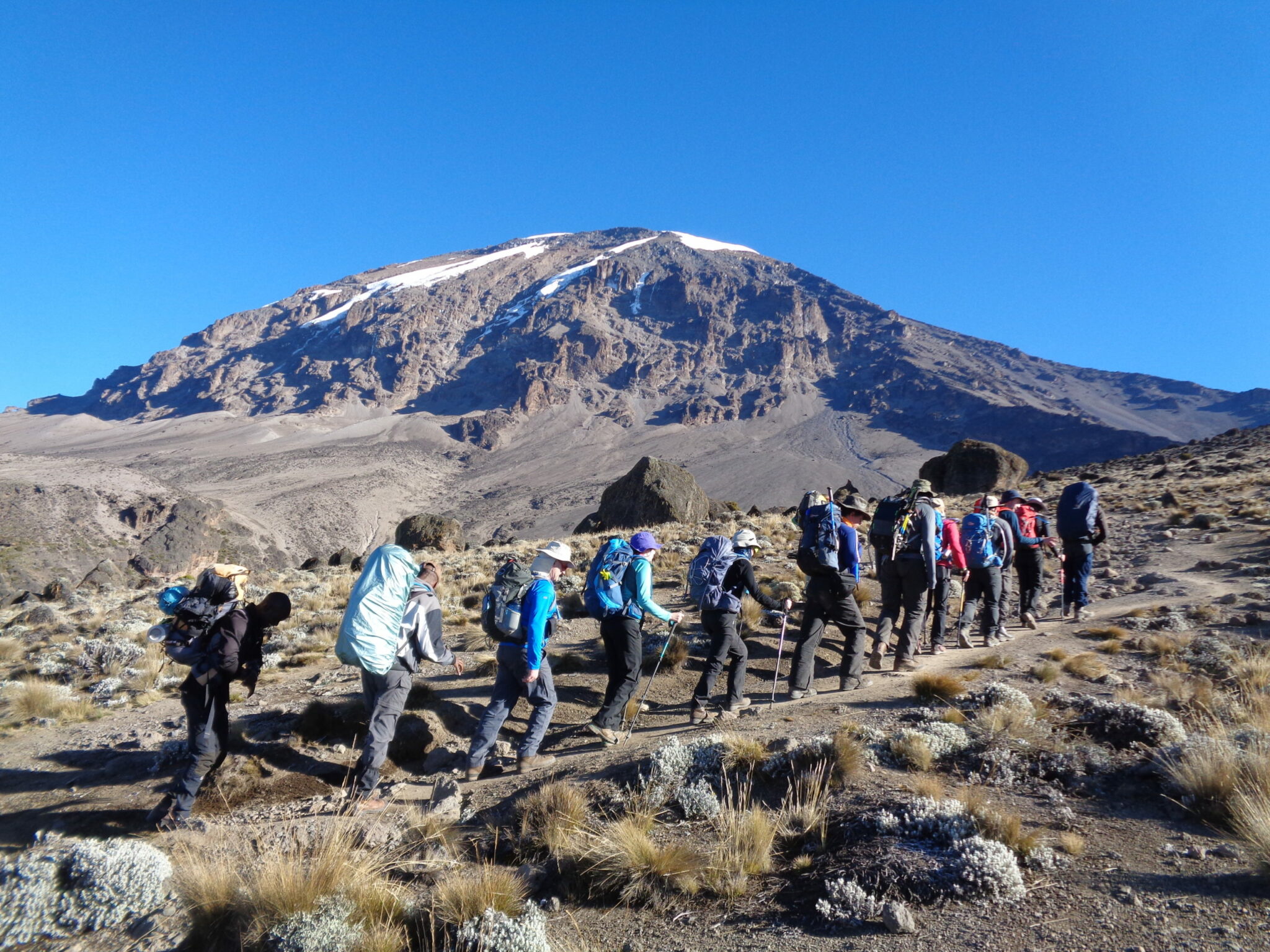
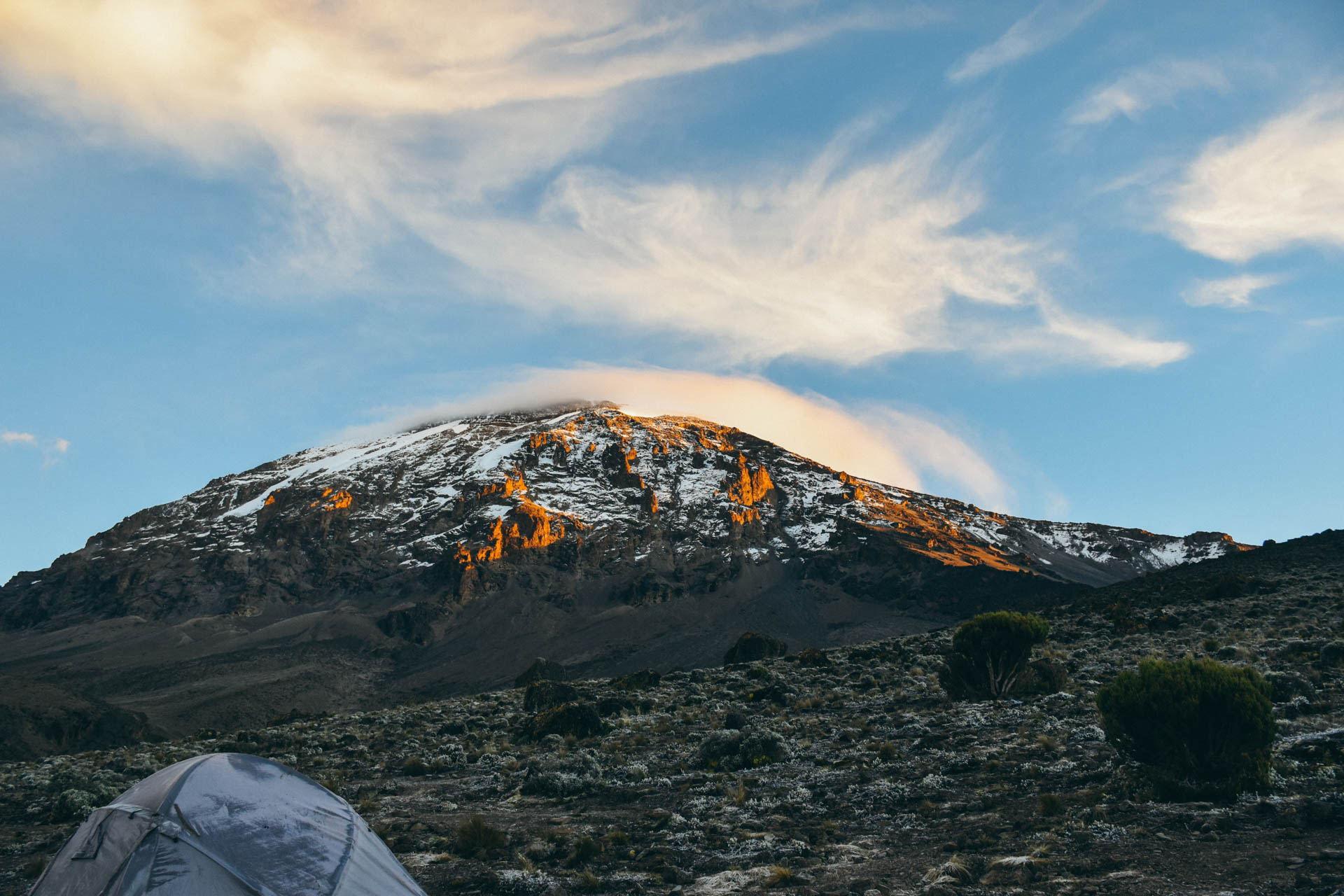
The Lemosho Route is typically completed in 7 days. This is a great option if you want a longer trek for acclimatization. It connects with the Machame Route at Shira 2 Camp. As professional Mountain Guide this in my preferred route due to its ideal balance of low crowds, beautiful scenery and a high summit success rate, due to the nature of the route itself has beautiful landscape which it allow you to do acclimatization everyday through this your body is going to update with the environment around in order to overcome high altitude sickness or Mountain sickness.

MT. KILIMANJARO HIKING FAQ's

Do You Require Technical Skills For Climbing Kilimanjaro?

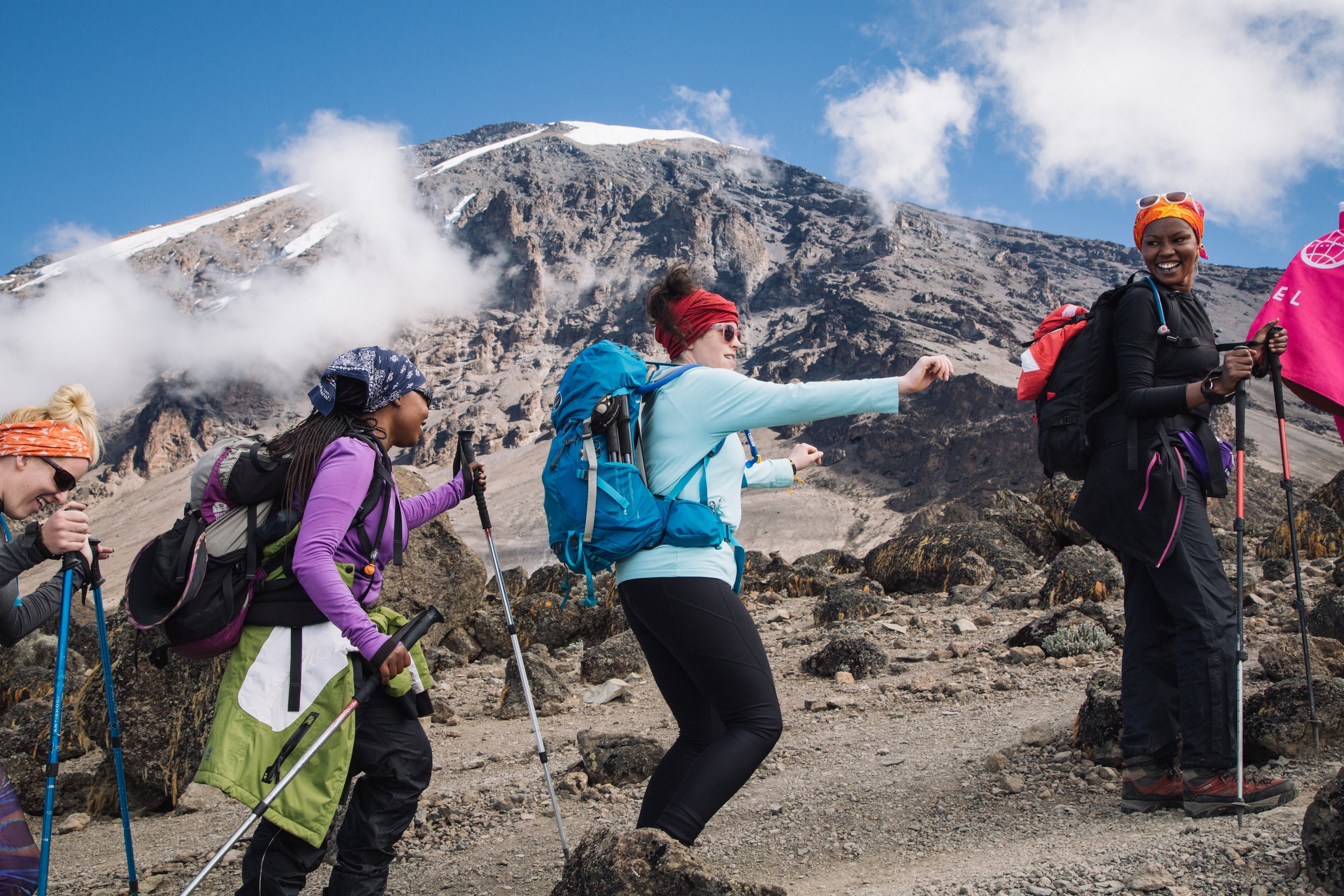
Kilimanjaro is the only highest mountain which allows you to reach its summit Uhuru peak without any technical skills. Climbing Kilimanjaro is easy compared to other mountains, as it has easier terrains than steeps. However, you may need to use your hands while climbing the Barranco wall as it is the only steep wall in the entire Kilimanjaro zone. This is one of the important Kilimanjaro FAQs and has a proper answer. During wet season you may require hiking poles because the rocks are more slippery. Make sure you wear proper hiking boots or gaiters while you are climbing Kilimanjaro.

What Is The Weather Like While Climbing Mount Kilimanjaro?

The weather in Kilimanjaro is considered as wet season and dry season. Before knowing about Best Time To Climb Kilimanjaro”, the weathers and climates are very important to decide for Climbing Mount Kilimanjaro. All the Kilimanjaro routes pass the ecological or climatic zones where the weather tends to change hourly due to the high-altitude condition and the trade winds. The wet season has more rainfall and dry season has lesser rainfall with more dry days. The main climatic zones are: Cultivation zone, Rainforest zone, Heath or moorland zone, Highland dessert zone and Artic zone. Each zone are unique in its own way and also have a distinct weather conditions all the way.

What Is The Best Time Of The Year To Climb Mount Kilimanjaro?

Best time to climb Kilimanjaro is a major Kilimanjaro Faq’s asked by most of the trekkers. Mount Kilimanjaro can be ascended year around and all the Kilimanjaro routes will support climbing Kilimanjaro round the year. As Kilimanjaro is near to equator the region experiences a very less extremes of winter and summer weather, rather it has wet and dry seasons. Hence, the Best Time To Climb Kilimanjaro is dry season which is warm. It is advised to avoid climbing Kilimanjaro during wet season for beginners. However, if you are with a professional climber and have all the safety precautions taken, then climbing Kilimanjaro in wet season would be really adventures. This also depends on your preference of Kilimanjaro Routes. You will need to choose best Kilimanjaro route and also choose a longer itinerary for better acclimatization.

What Is Provided And What Do I Have To Bring To Kilimanjaro?

You will be provided with tents, camping gear, food, utensils, and guidance. You should bring your own sleeping bag, water system, personal clothing, light duffle bag, and day pack. Hiking poles can be rented. If What Do I Need To Climb Kilimanjaro?” is your question, the following list is for you. A packing list is provided to all climbers, along with our pre-departure packet:

  • 1 mountaineering sleeping bag
  • 1 LED flashlight with spare batteries
  • 1 Pair of comfortable trekking boots
  • 1 towel
  • 2 fleece jackets
  • 1 down jacket or long-sleeved wind-breaker
  • 1 set of thermal underwear
  • 2 pairs of trekking trousers
  • 1 waterproof jacket
  • 1 pair of waterproof trousers
  • 1 sun hat
  • 1 pair of sunglasses
What Is The Food Like On Kilimanjaro?

The Kilimanjaro Food during your climb will help you to avoid from Kilimanjaro Altitude Sickness. The menu on Kilimanjaro is designed to ensure your food intake matches your level of exertion. It will provide you with a good balance of protein, carbohydrates, fruit and vegetables. When you are at altitude you could start to feel uneasy and your appetite may be suppressed, so the meals prepared at high altitude usually contain more carbohydrates and less protein to help you to digest your food. Your meals will be prepared by your cooks on Kilimanjaro and the food will be carried by your porters. You will be provided with Porridge, Toast, Pancakes, Egg, Smoked sausages, Tea, coffee and Hot chocolate. Sandwiches, Hard boiled eggs, Biscuits, Fruit juice. Soup, Pasts, Rice, Potatoes, Chicken, Beef, vegetables, Salad and Fresh fruits.

What Are The Health Issues On Mount Kilimanjaro?

The Kilimanjaro Food during your climb will help you to avoid from Kilimanjaro Altitude Sickness. The menu on Kilimanjaro is designed to ensure your food intake matches your level of exertion. It will provide you with a good balance of protein, carbohydrates, fruit and vegetables. When you are at altitude you could start to feel uneasy and your appetite may be suppressed, so the meals prepared at high altitude usually contain more carbohydrates and less protein to help you to digest your food. Your meals will be prepared by your cooks on Kilimanjaro and the food will be carried by your porters. You will be provided with Porridge, Toast, Pancakes, Egg, Smoked sausages, Tea, coffee and Hot chocolate. Sandwiches, Hard boiled eggs, Biscuits, Fruit juice. Soup, Pasts, Rice, Potatoes, Chicken, Beef, vegetables, Salad and Fresh fruits.

What Kind Of Help Is Available In Case Of Emergency On Kilimanjaro?

The guides and porters are professionally trained to handle the emergency situations. They are equipped with first aid kits and also trained to provide first aid medicines. In case of any severe emergency the recuse team will be available to help you descend through a stretcher or in case of more sever emergency there will be a helicopter rescue team who will take you to the high altitude medical clinic and transfer to the best hospital in the city.

Drinking Water – Is It Safe And Is There Enough For All The Climbers?

Yes, the drinking water is safe and there will be available enough water for all the climbers. We recommend you to carry 2-3 litres of water with you and add water purification tablets to it. This will help to purify the flowing water in the mountains and you will be safe to drink water in the mountains. It is suggested to drink more water to keep yourself hydrated and energised while Climbing Mount Kilimanjaro.

Is High Altitude Medication Required To Climb Kilimanjaro?

While it comes to altitude sickness, then the question would be “How hard is it to climb Kilimanjaro?” The high-altitude level needs physical fitness and mental determination to climb Kilimanjaro instead of high-altitude medications. However, it is your preference to take high altitude medication while climbing Kilimanjaro, one of the tablet is Diamox which will help you control the high altitude sickness. It make you urinate more. So, we recommend to make yourself fit and train for Kilimanjaro and then attempt to the summit.

Do I Need To Get Any Vaccinations Before I Leave For Kilimanjaro?

It is better to check with your doctor or centre of disease control before leaving for any recommendations. This one of the major Mount Kilimanjaro Facts you should take into considerations. However, while entering Tanzania you will need a yellow fever vaccination certificate and also malaria vaccination certificate. Apart from these other vaccinations are not compulsory. However, it is better to consult your doctor for Vaccinations for Kilimanjaro if you have asthma or any chronic health problems.

FULL ITINERARY

We have carefully planned out each day to give you the best possible experience. From exploring historic landmarks to tasting delicious local cuisine, each day is packed with adventure and excitement. Join us as we take you on a journey through some of the most fascinating destinations in the world.

Day 1: Drive to Kilimanjaro National Park Londorossi Gate, Hike to Mti Mkubwa Camp

After breakfast and briefing, drive to Londorossi Park Gate (about a 3-hour drive). From here a forest track requiring a 4WD vehicle leads to Lemosho Glades. Walk along forest trails to Mti Mkubwa (big tree) campsite.

  • Elevation: 1830m/6000ft to 2650m/8700ft
  • Distance: 6km/4mi
  • Hiking Time: 2-3 hours
  • Habitat: Montane Forest
Day 2: Hike Mti Mkubwa Camp to Shira 2 Camp

After breakfast, we continue as the trail gradually steepens and enters the giant heather moorland zone. After several streams are crossed we continue over the Shira Ridge past the Shira 1 camp and on to the Shira 2 camp on moorland meadows by a stream.

  • Elevation: 2650m/8700ft to 3850m/12,600ft
  • Distance: 16km/10mi
  • Hiking Time: 7-8 hours
  • Habitat: Moorland
Day 3: Hike Shira 2 Camp to Barranco Camp

From the Shira Plateau we continue to the east up a ridge, passing the junction towards the peak of Kibo. As we continue, our direction changes to the South East towards the Lava Tower, called the “Shark’s Tooth” (elev 4650m/15,250ft). Shortly after the tower we come to the second junction which goes to the Arrow Glacier. We now continue down to the Barranco Camp. Although you end the day around the same elevation as when you began, this day is very important for acclimatization and will help your body prepare for summit day.

  • Elevation: 3850m/12,600ft to 4000m/13,000ft
  • Distance: 8km/5mi
  • Walking Time: 5-6 hours
  • Habitat: Semi-desert
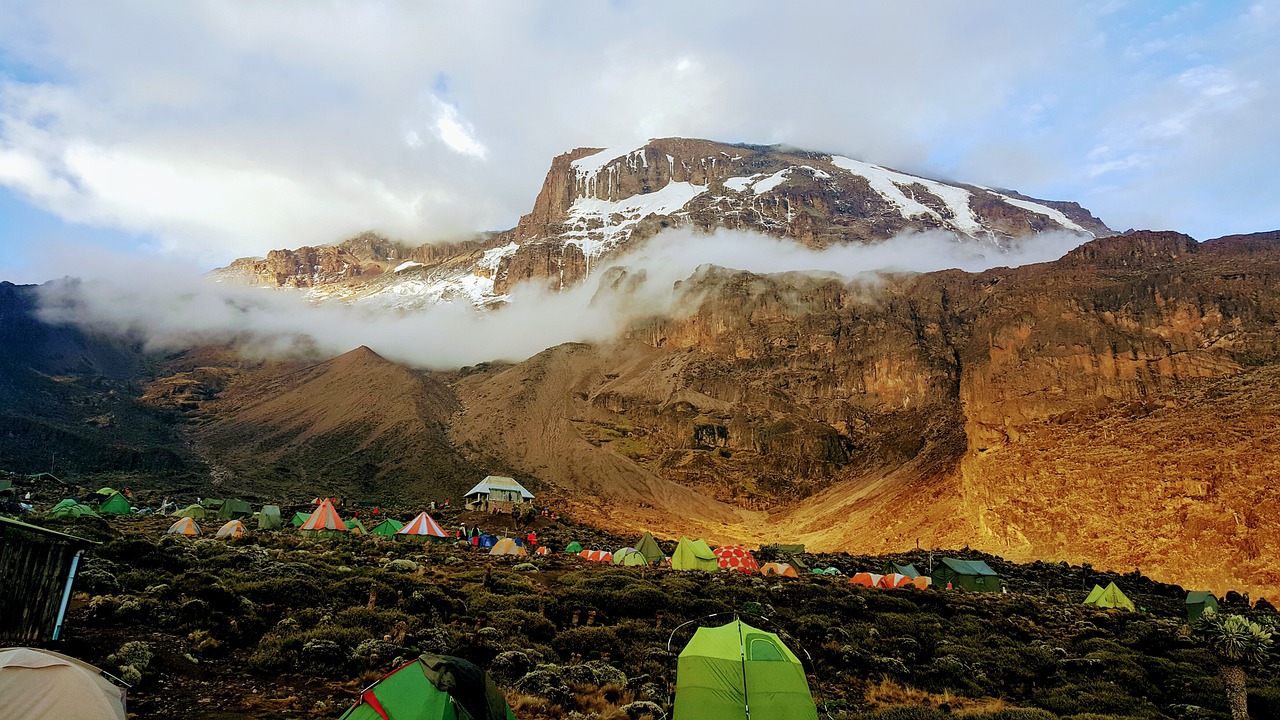
Day 4: Hike Barranco Camp to Karanga Camp

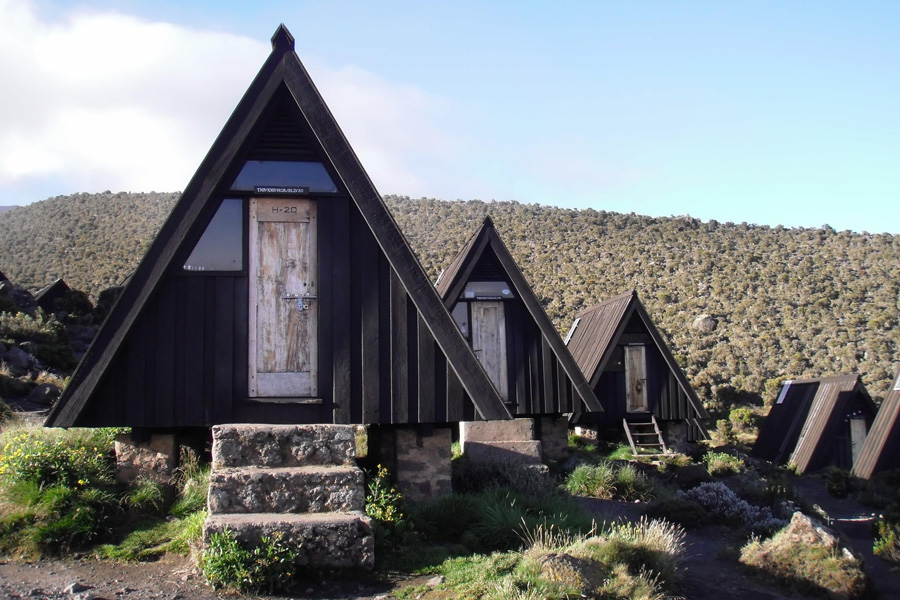
After breakfast, we leave Barranco and continue on a steep ridge up the Barranco Wall to the Karanga Valley and the junction which connects with the Mweka Trail.

  • Elevation: 4000m/13,000ft to 4050m/13,250ft
  • Distance: 5km/3mi
  • Hiking Time: 34 hours
  • Habitat: Alpine Desert
Day 5: Hike Karanga Camp to Barafu Camp

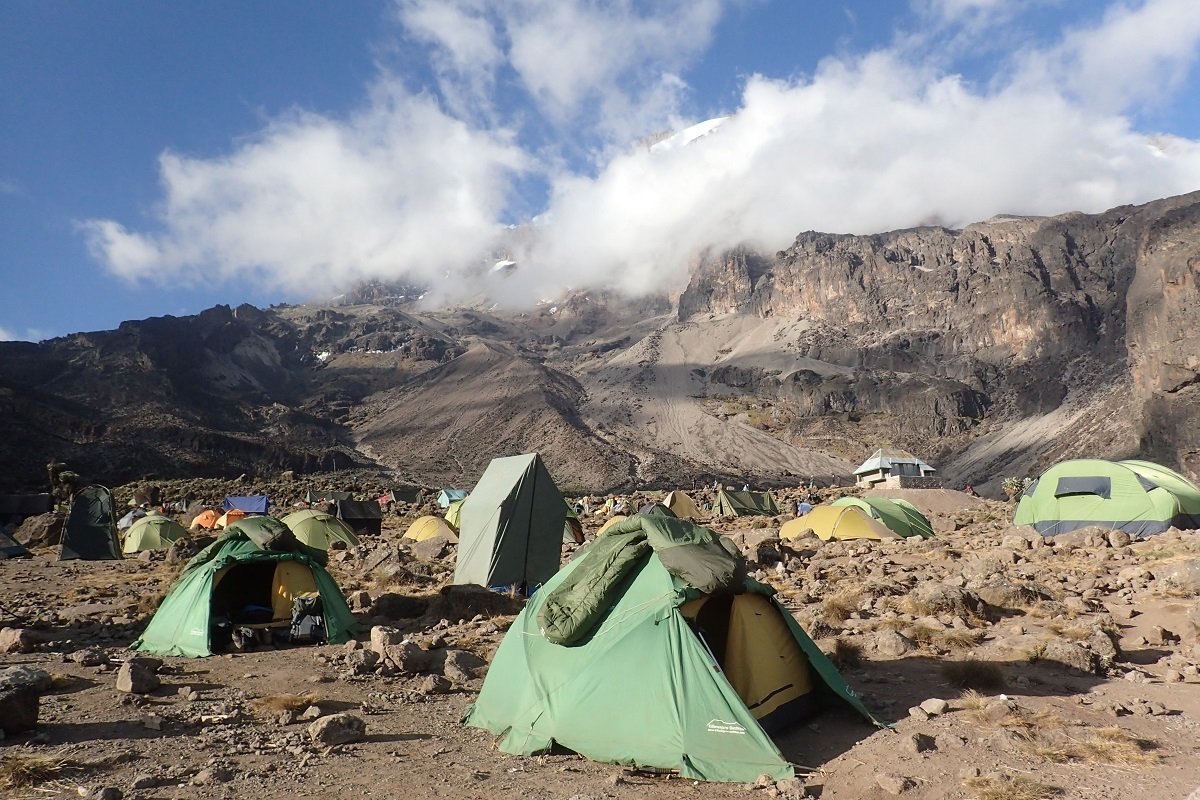
We continue up to the Barafu Camp. You have completed the South Circuit, which offers views of the summit from many different angles. Here we make camp, rest, enjoy dinner, and prepare for the summit day.

  • Elevation: 4050m/13,250ft to 4700m/15,350ft
  • Distance: 4km/2mi
  • Hiking Time: 3-4 hours
  • Habitat: Alpine Desert
Day 6: Hike Barafu Camp to Summit, down to Mweka Camp

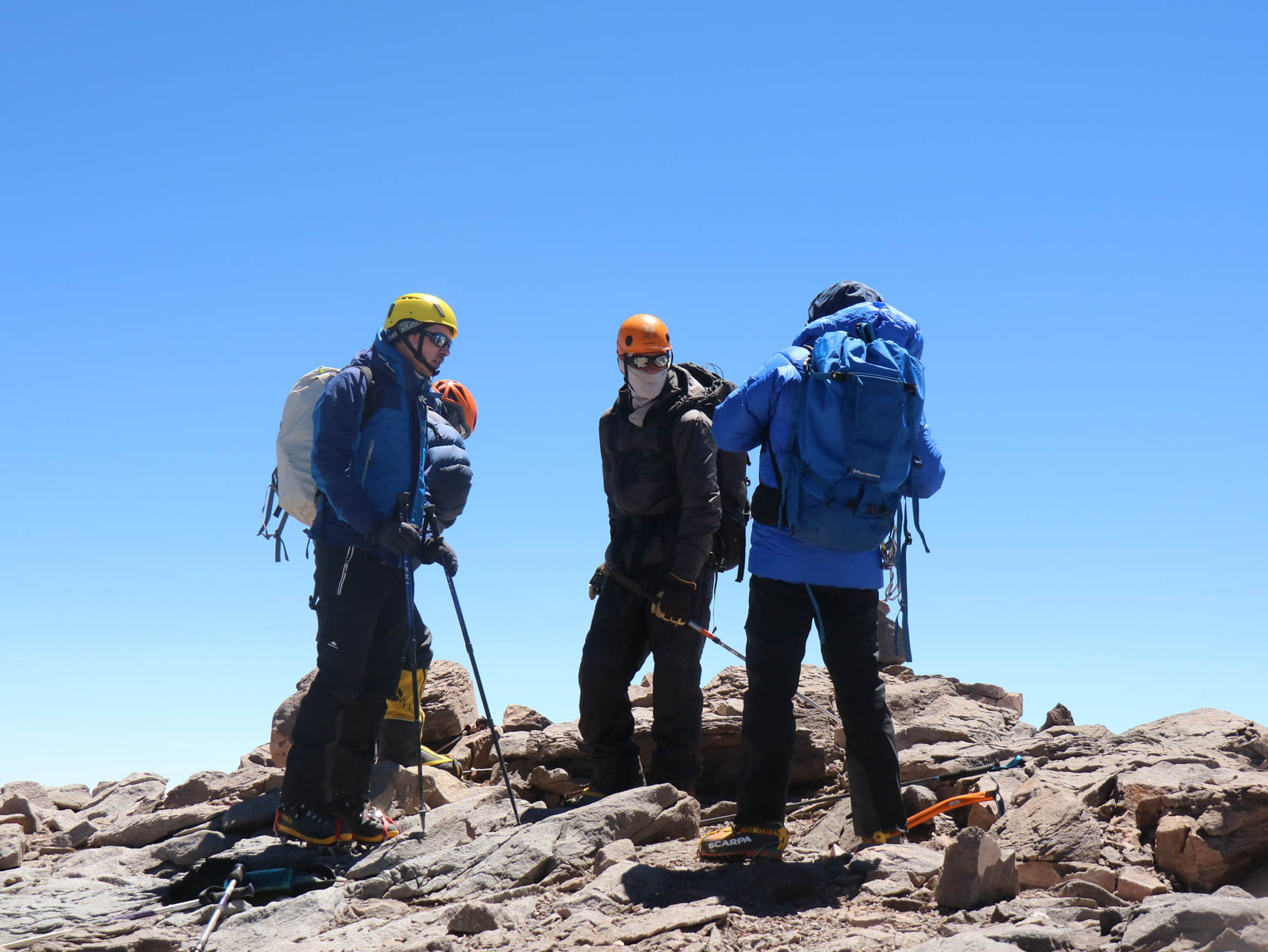
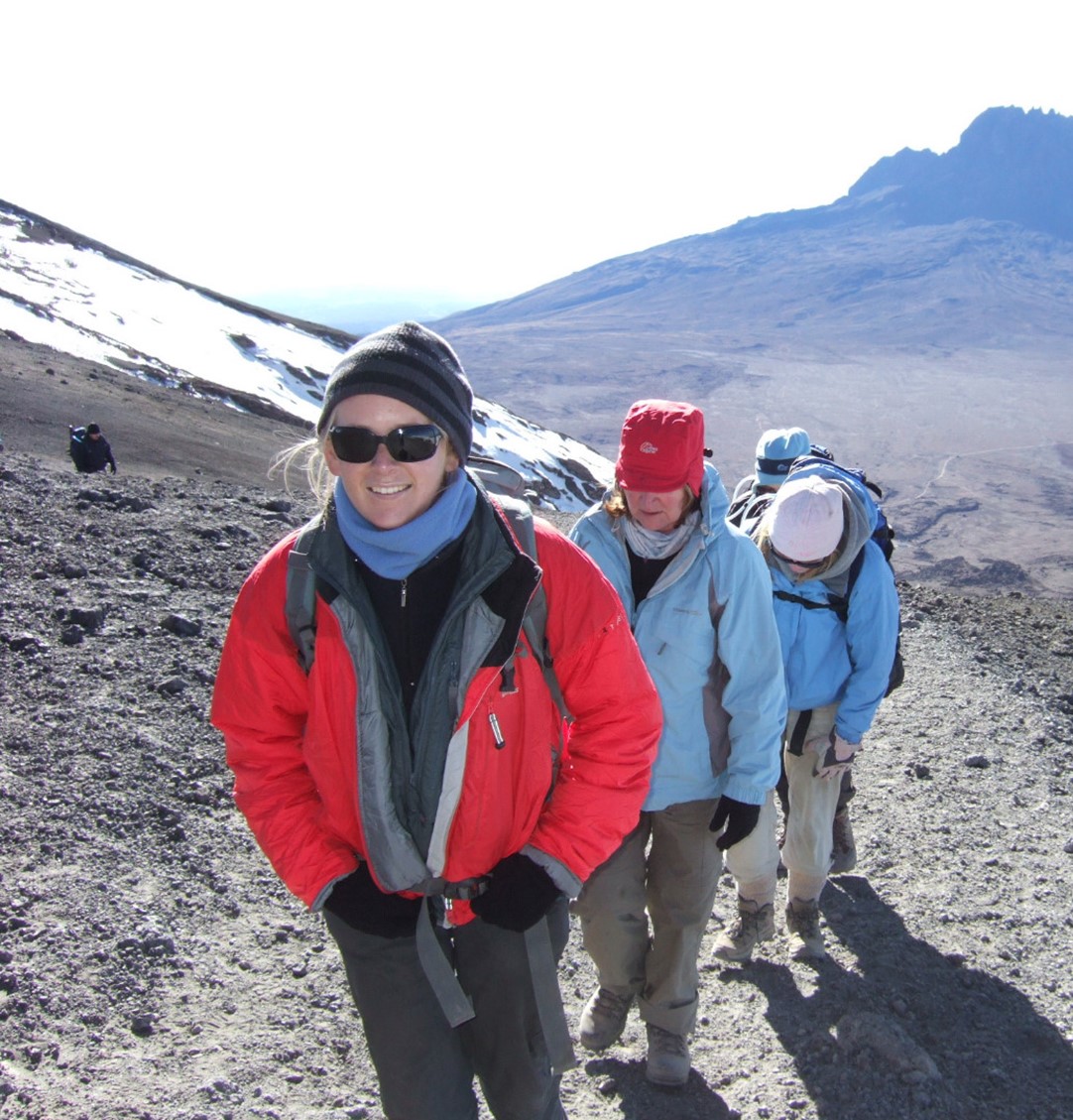
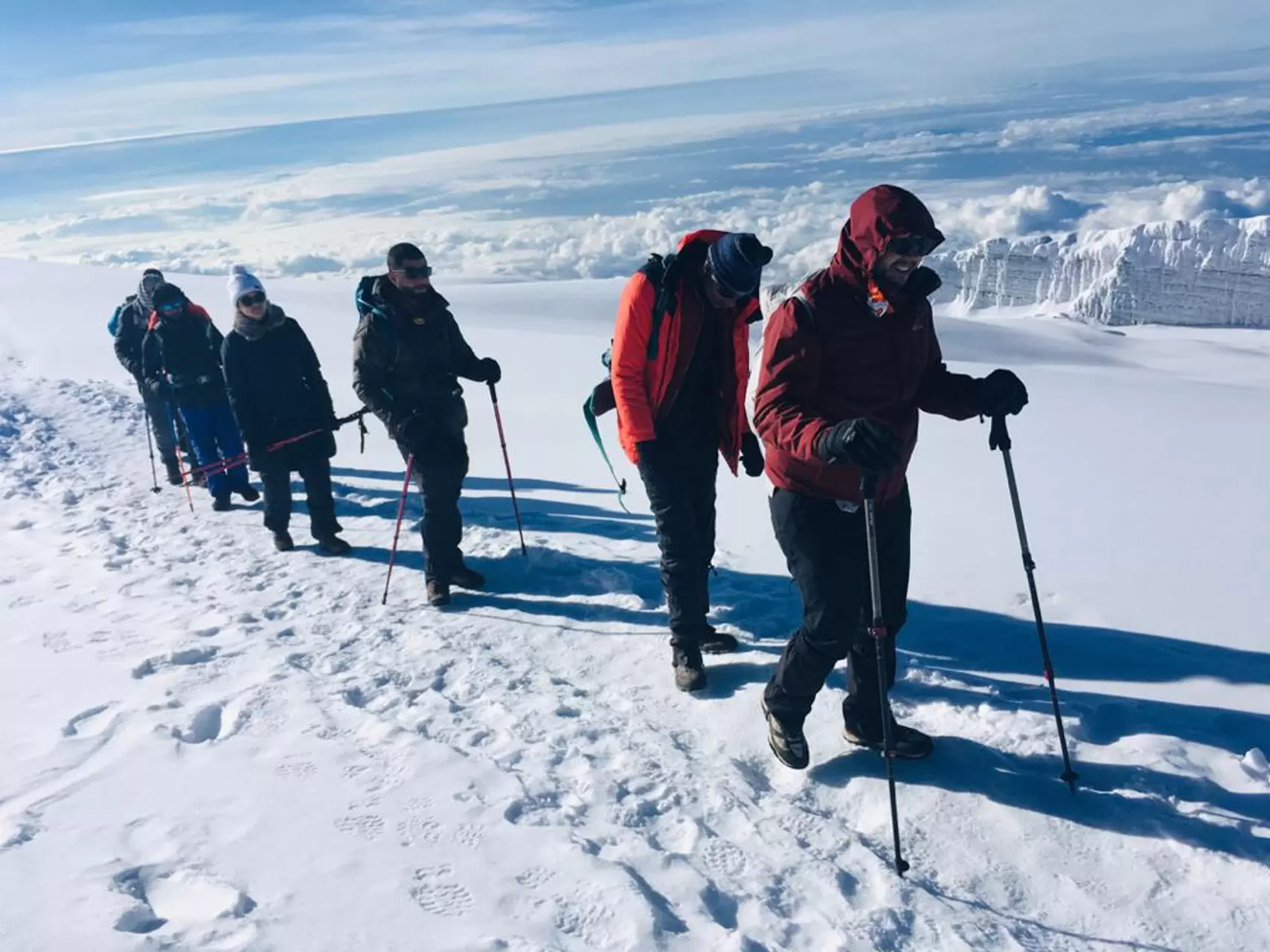
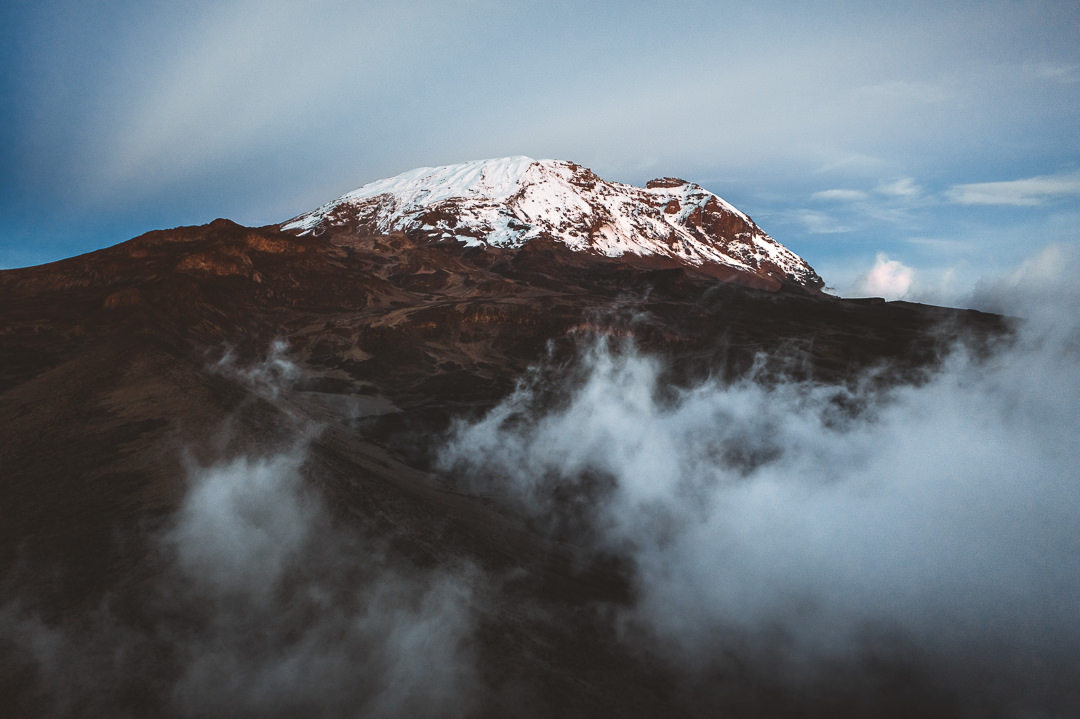
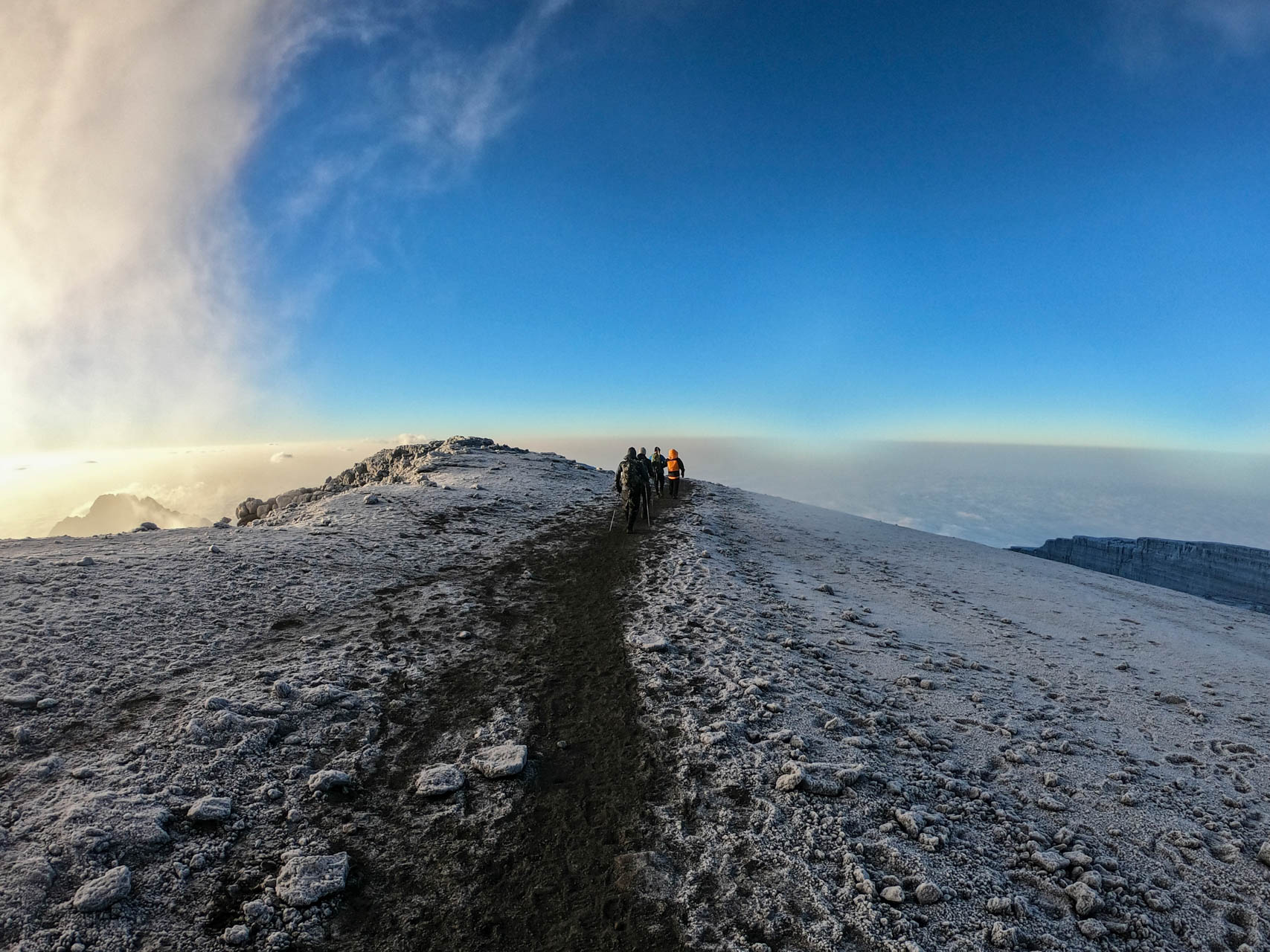
Very early in the morning (midnight to 2 am), we continue our way to the summit between the Rebmann and Ratzel glaciers. You head in a northwesterly direction and ascend through heavy scree towards Stella Point on the crater rim. This is the most mentally and physically challenging portion of the trek. At Stella Point you will stop for a short rest and will be rewarded with the most magnificent sunrise you are ever likely to see. Faster hikers may view the sunrise from the summit.

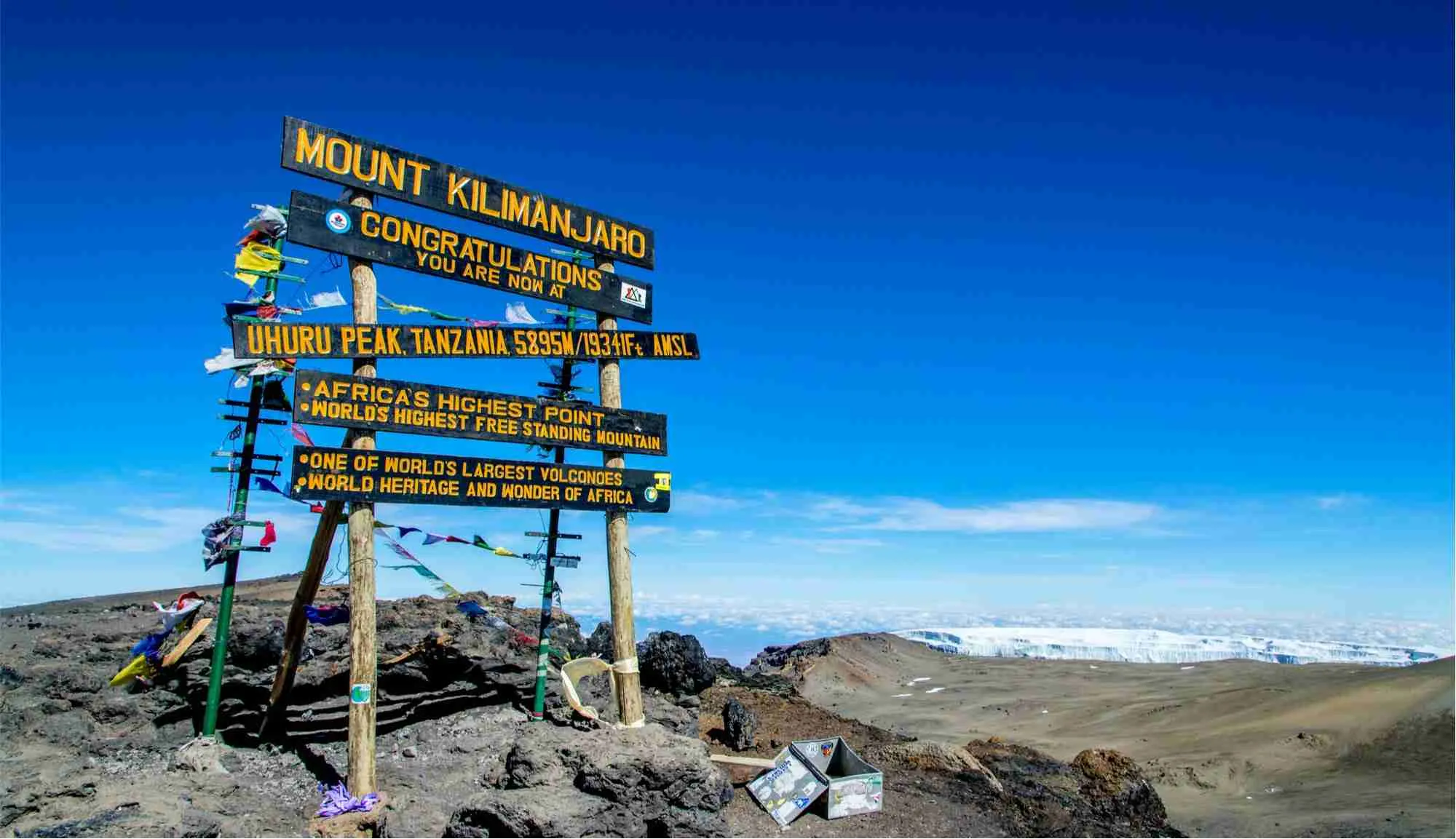
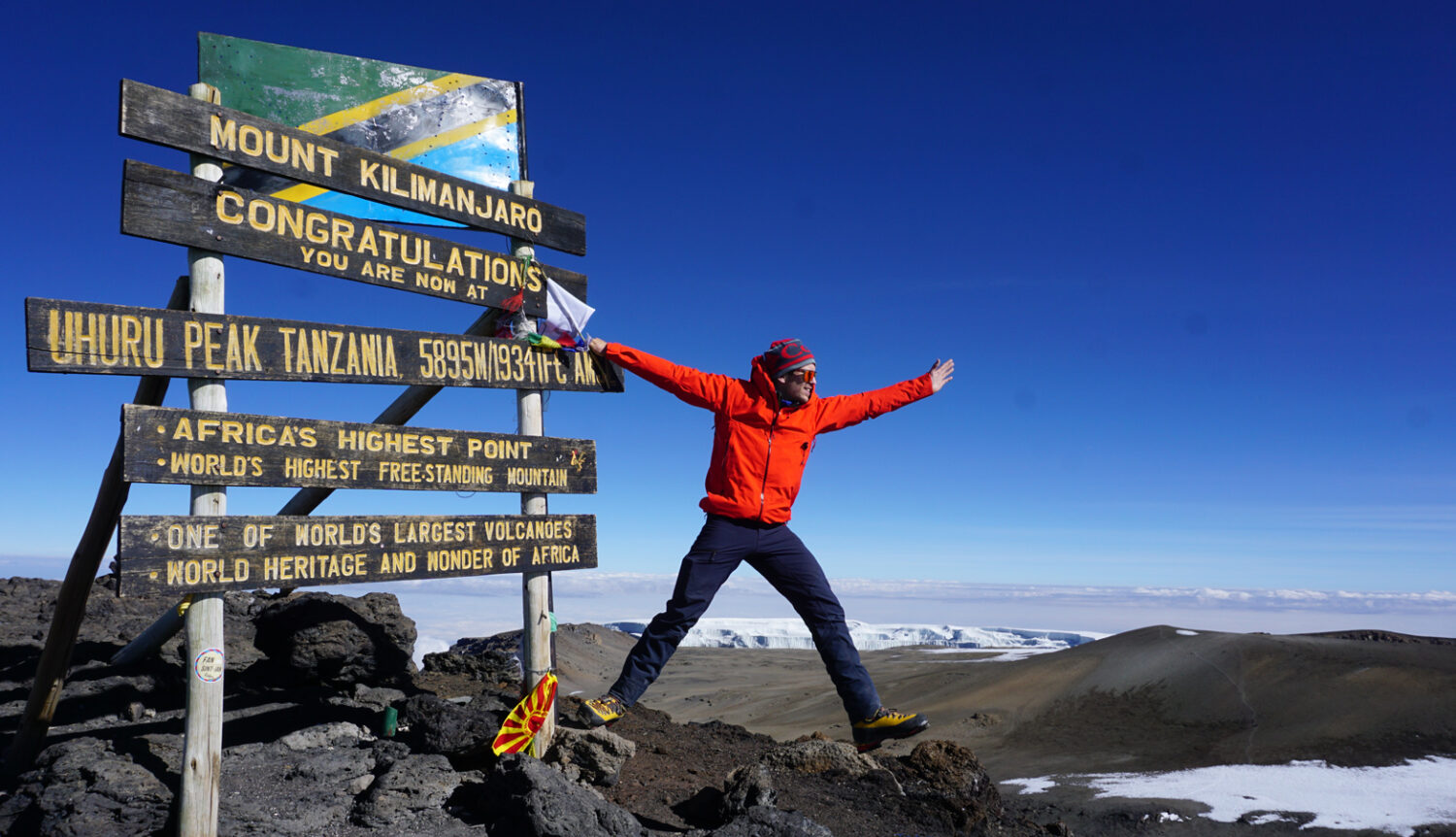
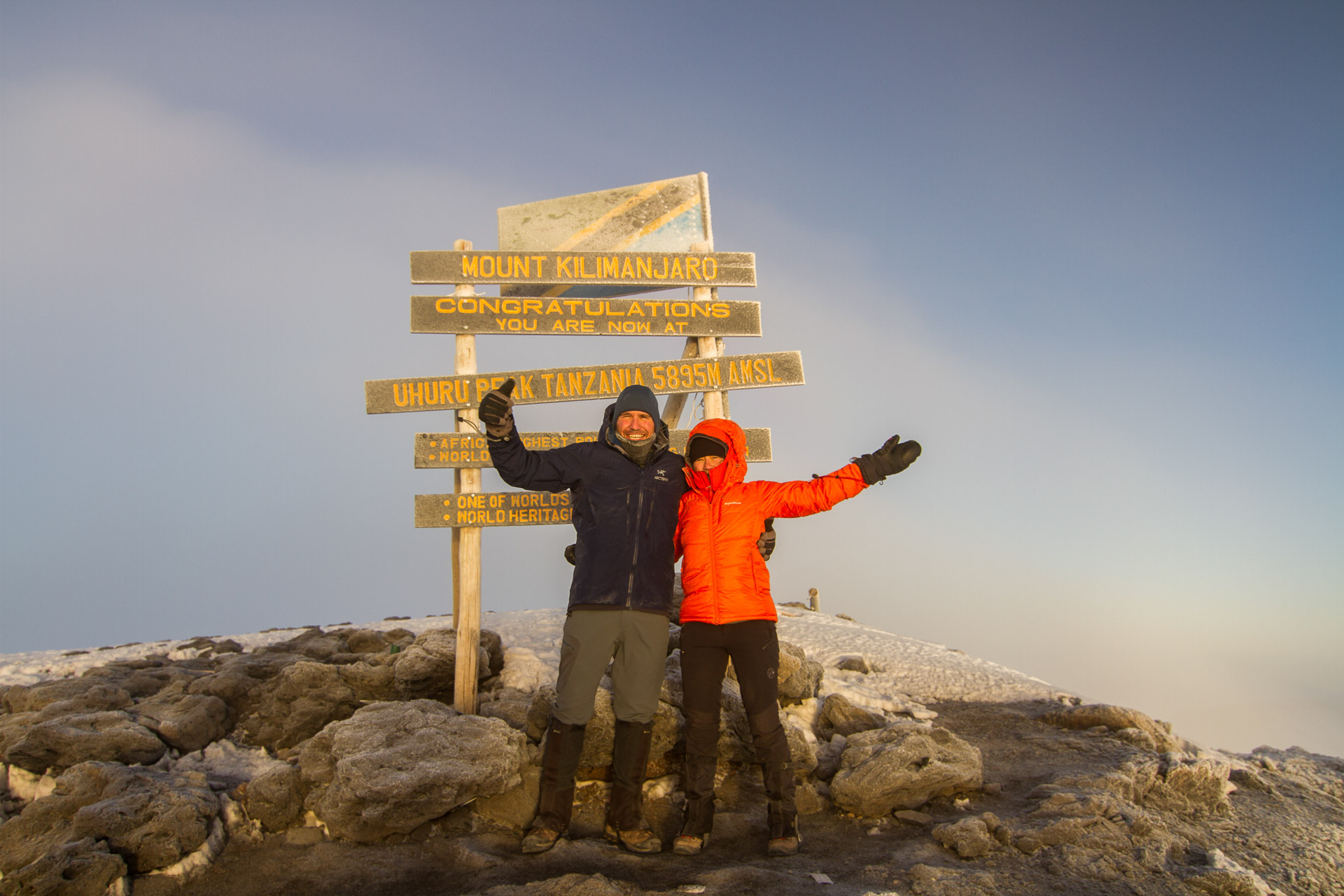
From Stella Point, you may encounter snow all the way on your 1-hour ascent to the summit. Once at Uhuru Peak you have reached the highest point on Mount Kilimanjaro and the continent of Africa!

From the summit we begin our descent by continuing straight down to the Mweka Camp, stopping at Barafu for lunch. You may want gaiters and trekking poles for the loose gravel going down. We arrive at Mweka Camp and enjoy our last evening on the mountain.

  • Elevation: 4700m/15,350ft to 5895m/19,340ft
  • Down to 3090m/10,150ft
  • Distance: 5km/3mi up / 13km/8mi down
  • Hiking Time: 5-7 hours up / 5-6 hours down
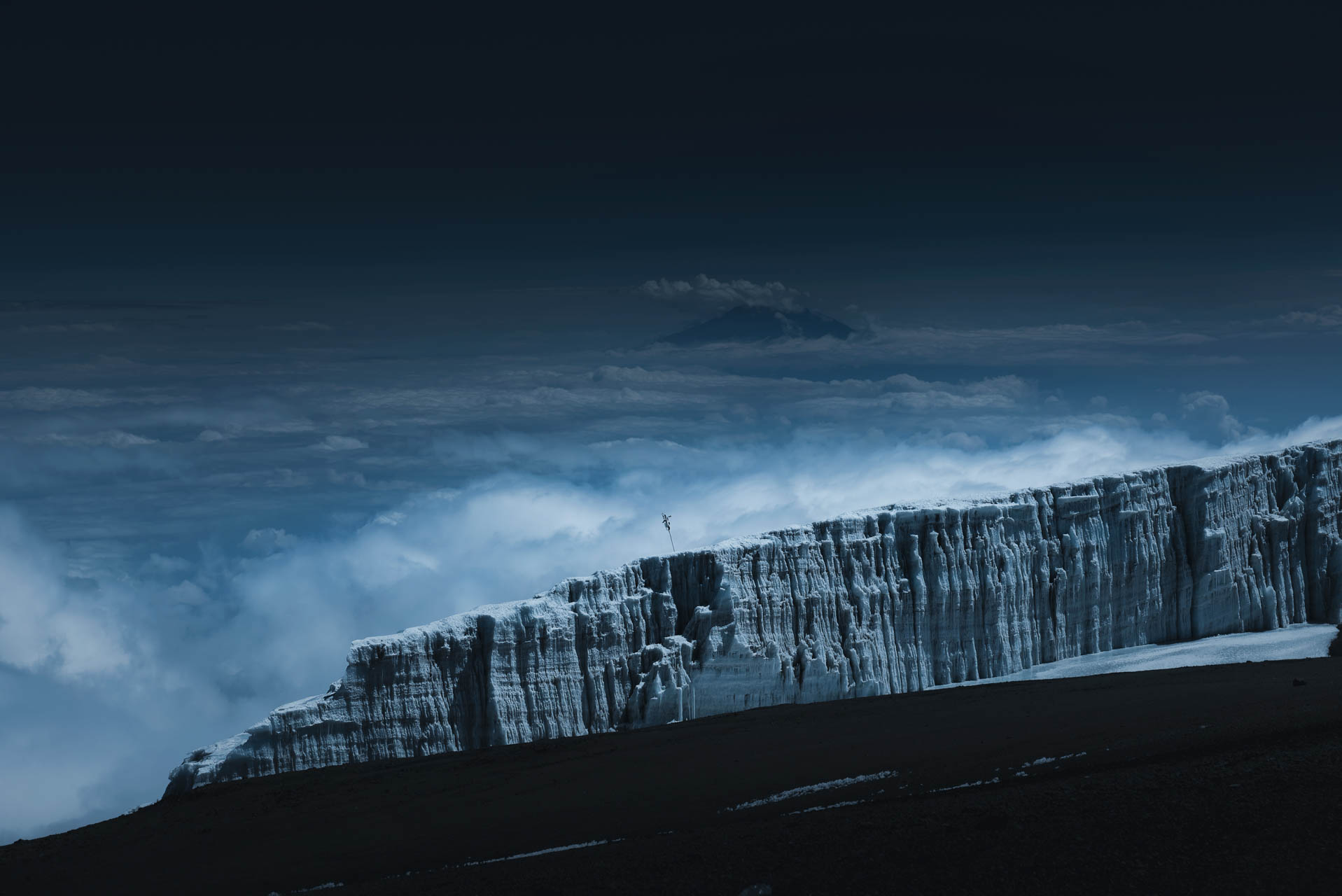
  • Habitat: Stone scree and ice-capped summit
Day 7: Hike Mweka Camp to Mweka Gate, drive to Moshi

After breakfast we continue the descent down to the Mweka Park Gate to receive your summit certificates. At lower elevations, it can be wet and muddy. Gaiters and trekking poles will help. Shorts and t-shirts will probably be plenty to wear (keep rain gear and warmer clothing handy).

A vehicle will meet you at Mweka gate to drive you back to your hotel in Moshi (about 30 minutes).

  • Elevation: 3090m/10,150ft to 1680m/5500ft
  • Distance: 10km/6mi
  • Hiking Time: 3-4 hours
  • Habitat: Forest

INCLUDES

  • Pick up and drop off at Kilimanjaro International Airport.
  • Pre & Post Trek accommodation at Parkview Inn or Kilimanjaro wonders Hotel
  • Park fees, camping fees, rescue fees and 18% VAT on tour fees & services which cost nearly 55% of the total cost charged.
  • 4 Season mountain tents
  • Sleeping Mats
  • Transportation to & from the mountain gate
  • Professional mountain guides, cooks and porters
  • 3 meals daily while on the mountain
  • Filtered water throughout the trek
  • Fair wages for the mountain crew as approved by the Kilimanjaro National Park Authority (KINAPA), Kilimanjaro Association of Tour Operators (KIATO)
  • Portable flush toilet can be provided for free upon client’s request.

EXCLUDES

  • Tanzania Visa: $50 per person on arrival, USA and CANADA passport holders USD.100
  • Personal Expenses (e.g. laundry, telephone, beverages, etc.)
  • Hiking Gears
  • Tips and gratuities to your mountain crew.

GETTING VISA IN TANZANIA

To visit Tanzania, you need a valid passport (at least 6 months beyond your stay) and a tourist visa. You can apply for a visa online before your trip or get one upon arrival at Kilimanjaro International Airport. However, getting it in advance is recommended to avoid long queues and potential delays. Visas typically cost around $50, although US citizens may pay $100. UK, US, Australia, New Zealand, Canada, India, and most EU citizens need a visa to enter Tanzania. You can also apply online at Tanzania eVisa. Make sure to read the guidelines and ensure you are entering through an approved entry point.

Where to obtain a Tanzanian visa
  • In Dar es Salaam: The Office of the Director of Immigration Services
  • In Zanzibar: The Office of the Principal Immigration Officer
  • Abroad: Any Tanzanian Embassy or High Commission or via the Tanzania Immigration Services website
  • Entry points to Tanzania: Any gazette entry point, including international airports, Zanzibar Airport, the port of Kigoma, Horohoro, Sirari, Tunduma, and Nagama

Please be advised that, whilst we make every effort to provide you with accurate and up-to-date information, travel requirements can change quickly and sometimes without notice. We urge you to double-check the visa and passport requirements for your trip, and consult with an embassy or consulate.

OUR BOOKING TERMS & CONDITIONS

Twende Africa Tours terms & conditions – We are registered and Licensed Tanzania Tour Operator under the laws of Tanzania and accepts your bookings under the following terms and conditions.

DEPOSIT & PAYMENT

To secure place, 10% down payment is required to make in advance as per the company policy, the payment will be made via bank transfer or online payment with visa, master card and America express etc.

Deposit and final payments can be made via bank transfer or online payment with your master card or visa card within 30 days’ prior the tour or in cash upon arrival (USD). Please note US dollar notes printed prior to 2001 are not accepted anywhere in Tanzania. Transfer details will be emailed on request.

All bank charges are to be settled by the client respectively. This includes transaction fees charged by our bank. Our bank will not charge a fee for wire transfers but your bank will and there may possibly be a 3rd bank involved. From our experience we see bank fees for wire transfers from $35 – $50. The amount charged for a wire transfer is not dependent on the amount sent.

ONLINE PAYMENT

Payment can be made through our online payment system using credit card at a surcharge of 3.5%.

THE BOOKING

Bookings and ensuing contracts shall be deemed to have been concluded in Moshi, Tanzania and shall be interpreted according to the laws of the United Republic of Tanzania. The Company reserves the right to decline any booking without outlining the reasons for it.

All travelers receive pre-trip information, complete itinerary and on-demand pre-travel advice, via email or directly with our offices for any last minute or personal queries.

In the event of a particular accommodation being unavailable upon booking, accommodation of a similar or higher standard will be substituted.

BOOKING AMENDMENTS

For amendments of existing bookings done by the client/ agent (e.g. departure dates, air tickets, accommodation, number of participants etc) a handling fee of 70 USD per booking applies. The handling fee will be charged in addition to the service provider fees.

CANCELLATIONS

Twende Africa Tours entitled to act as an agent or principal with regard to the provision of the services.

Having paid full amount of any trip, you are entitled to incur refund in case if you want to cancel your trip. Still, cancellation charge is invoiced to you. Written notification of your cancellation should be made to cancel any trip. Nevertheless, you are imposed cancellation charge as advised below: –

  • 90 – 60 days or more deposit retained
  • 59 – 45 days before departure 50% of the TOTAL BOOKING COST shall be refunded.
  • 44 – 30 days before departure 75% of the TOTAL BOOKING COST shall be refunded.
  • 29 – 01 days before departure 100% no refund of the TBC shall be made.

If Twende Africa Tours cancels your trip due to unforeseen circumstances like weather and Pandemics etc. we would be happy to refer your alternative trip of a similar standard. If this doesn’t fit your personal interest, all monies paid by you to our company will be refunded. But remember, any other expenses incurred by you as a result of this booking are entirely your responsibility.

Price From

$ 1,850 / PER PERSON

All Prices are per person in a party of 2 adults sharing a double room. Choose a scheduled date or contact us to set up private dates or a bespoke itinerary. Read our booking terms and conditions for more details.

GET A FREE QUOTE

LET'S TALK

Start planning your tailor-made trip by contacting our Tanzania specialist, Mr. Peter.
+255 766 808 335

Hiking Tips

Ultimate Kilimanjaro Hiking Guide

Other Related Tours

Mount Kilimanjaro Hiking Adventures

Our testimonials

What our traveler say about our services

We have been receiving reviews from our served clients and Twende Africa Tours is rated 5/5 by customers. This honor is given to us by customers because we always remain committed to all our customers to do whatever is needed by them to make their safari fully satisfied.