Mount Kilimanjaro Climbing

Mount Kilimanjaro

A Journey of Challenge and Beauty

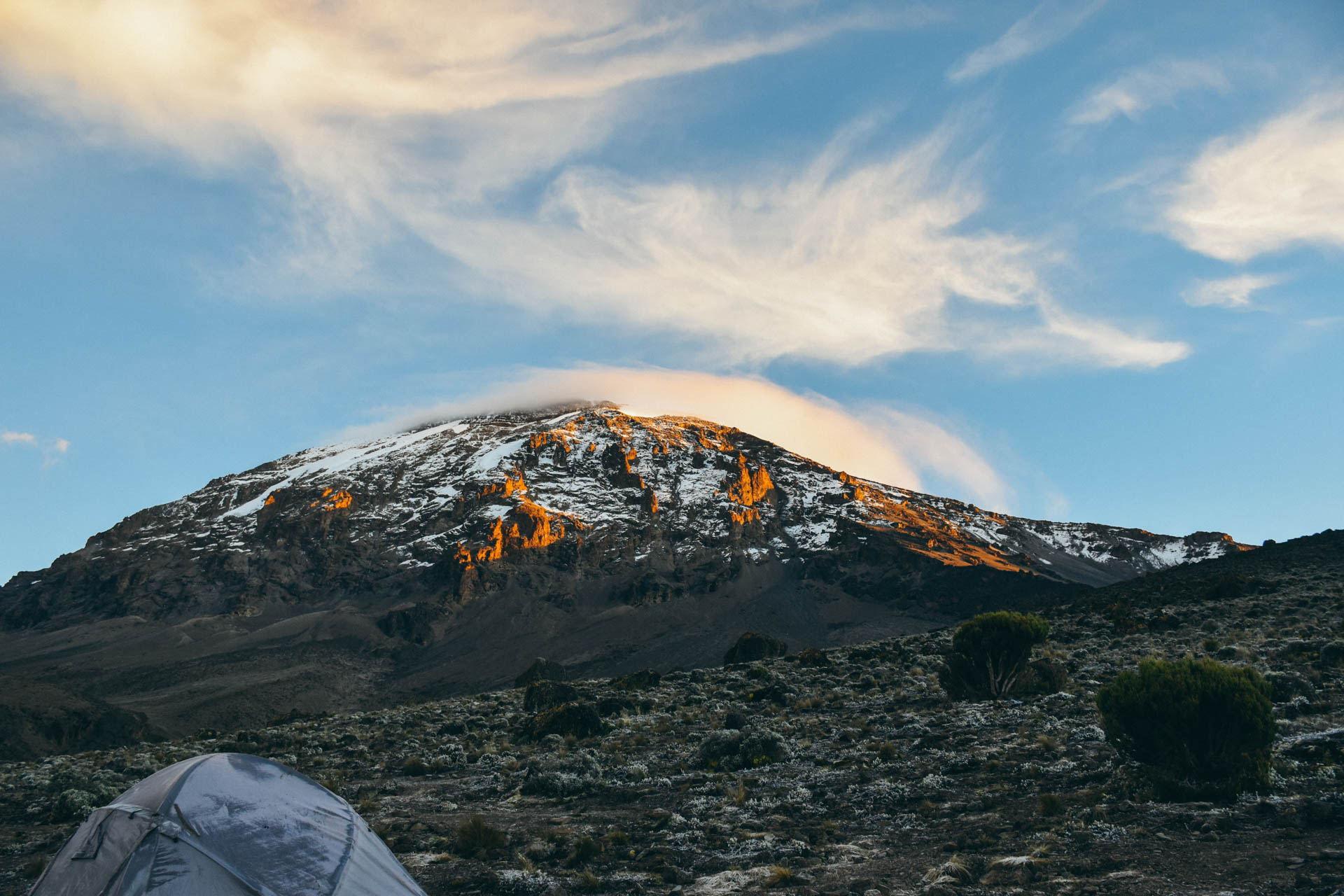
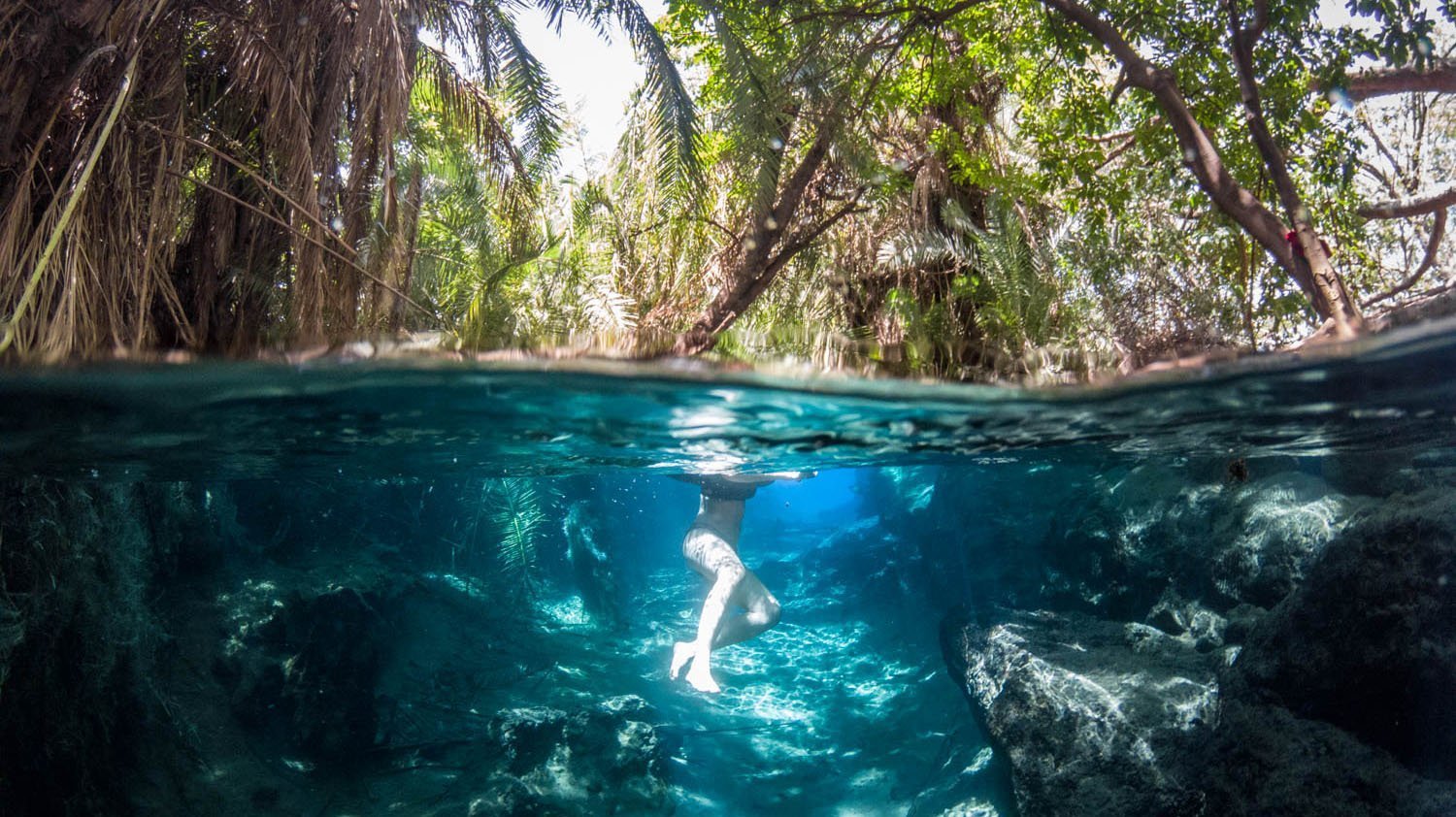
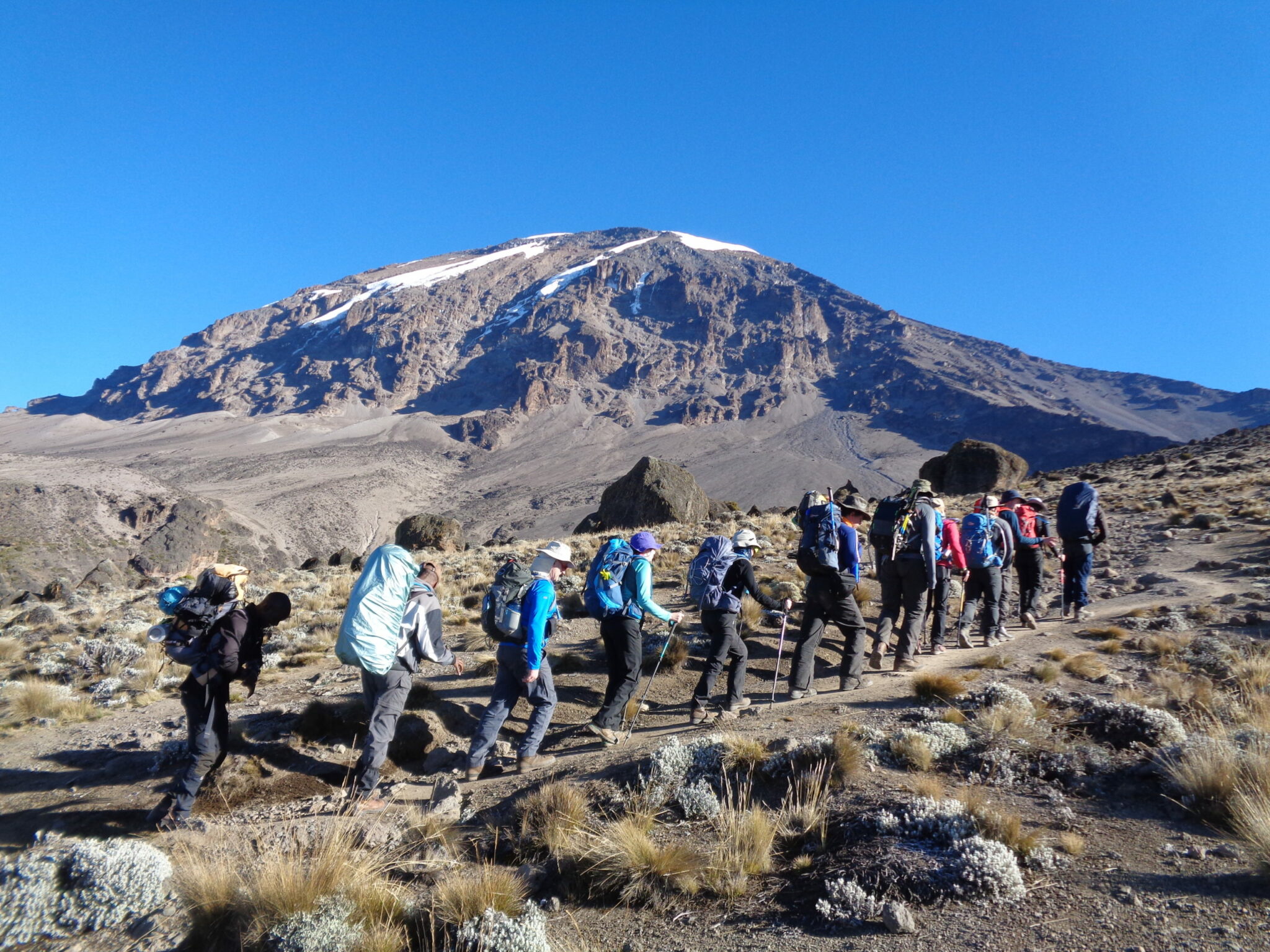
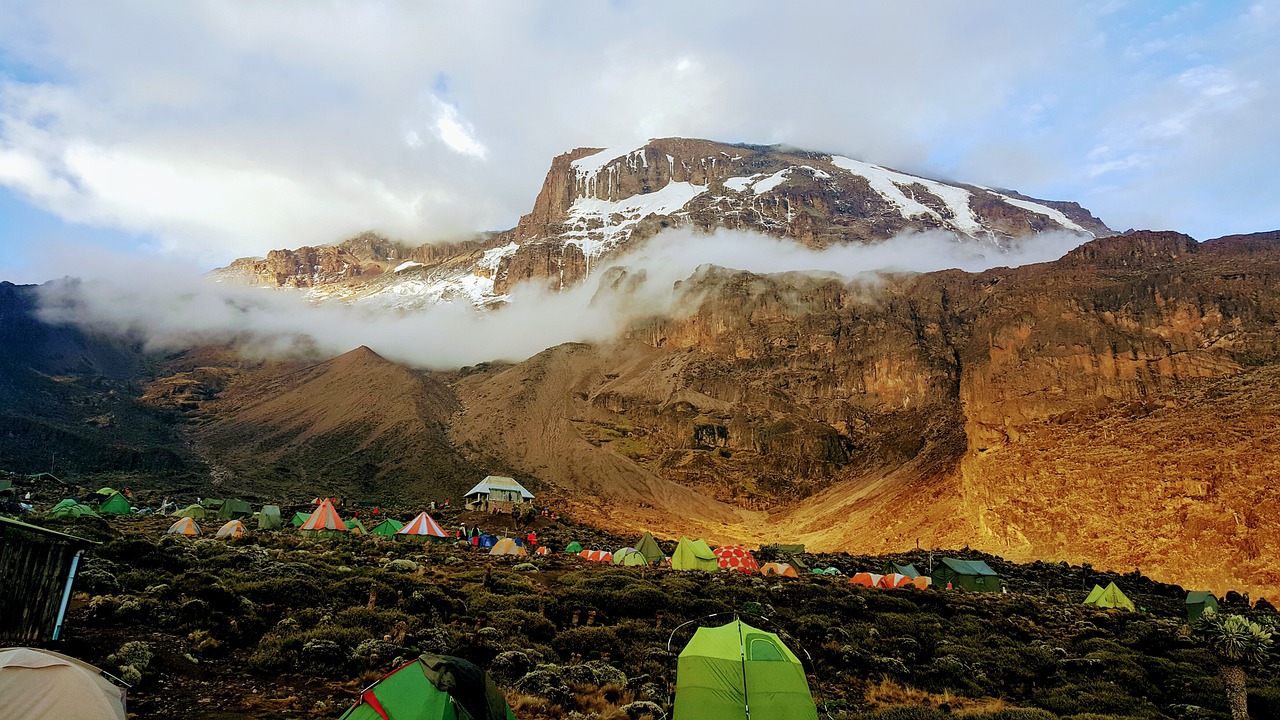
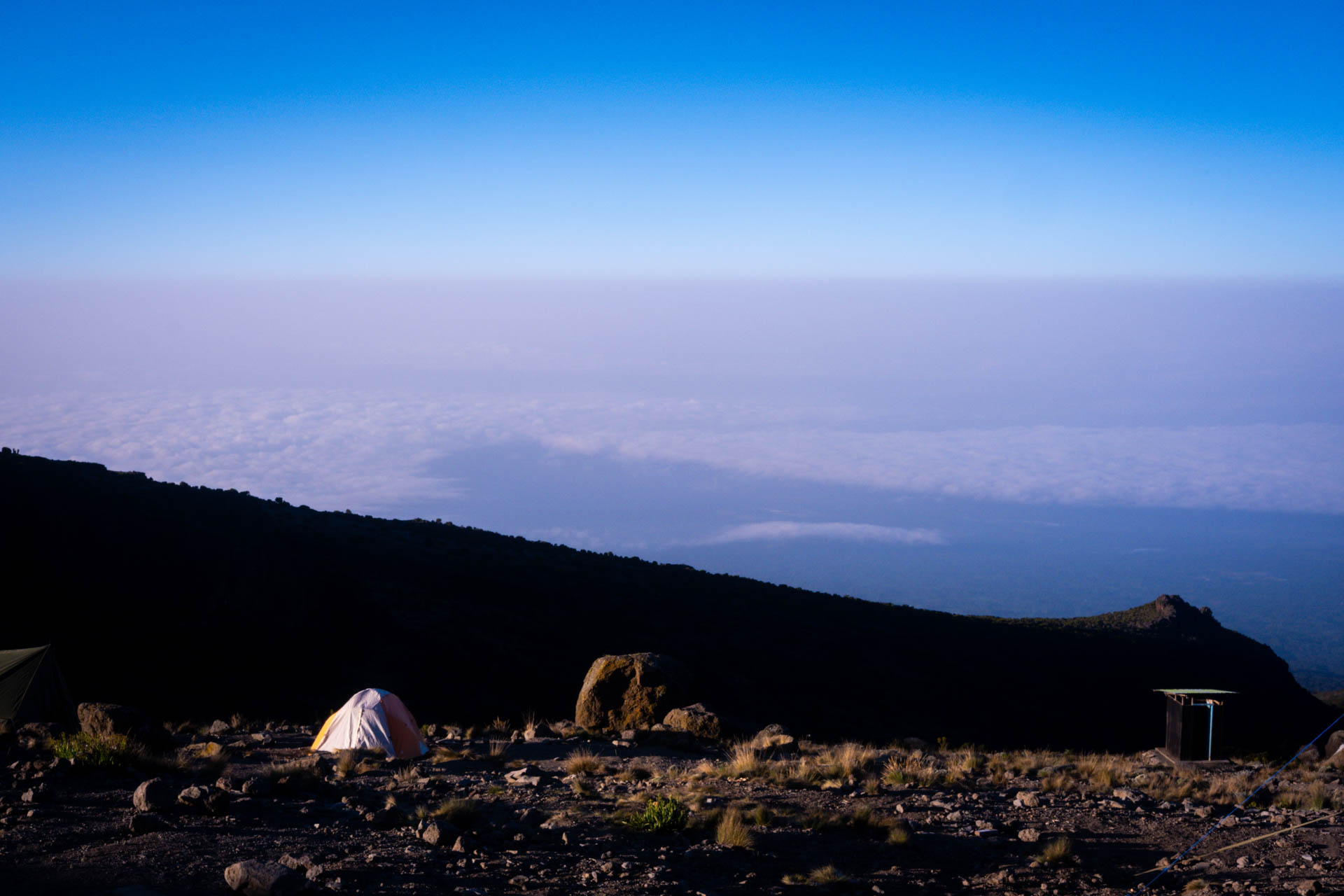
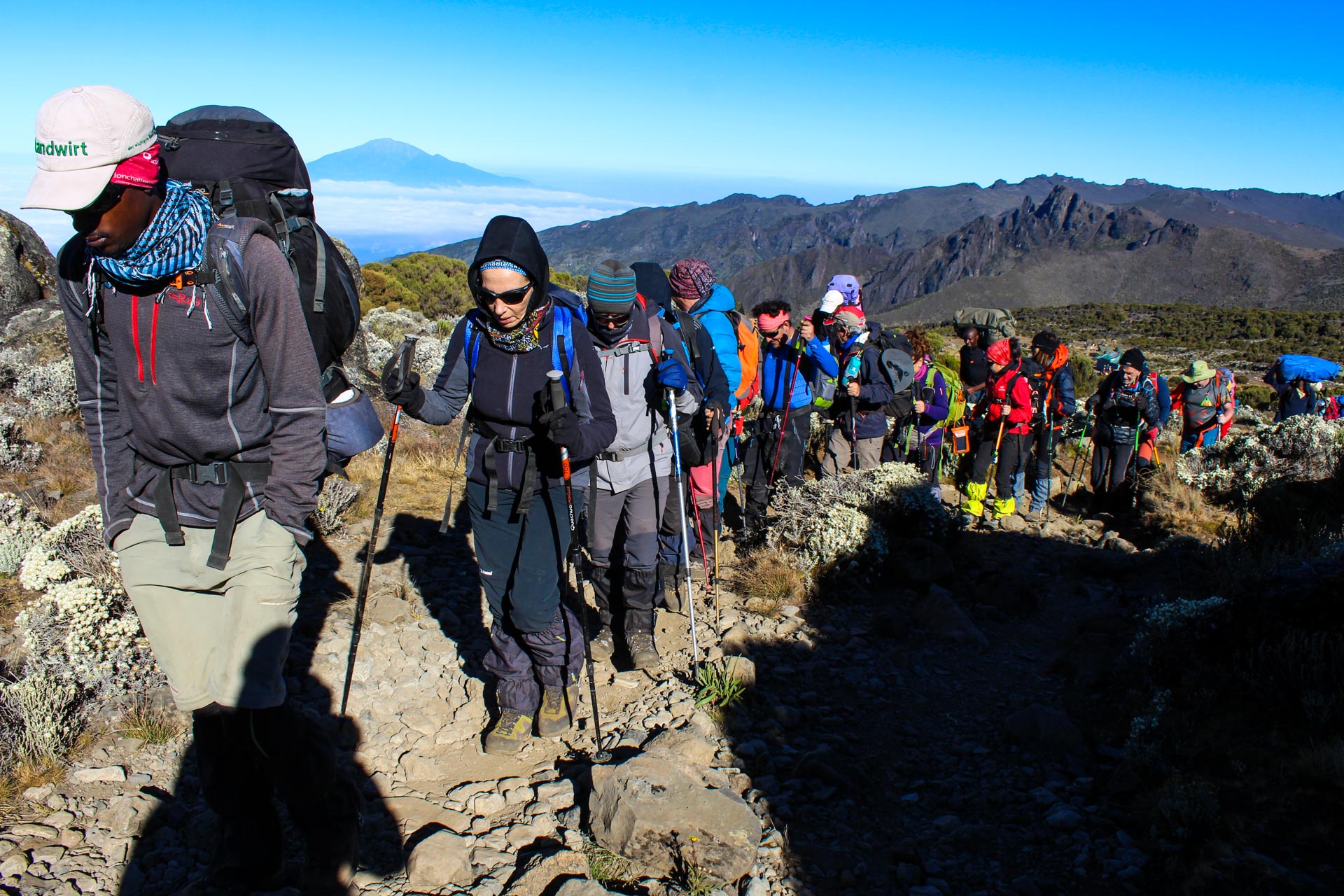
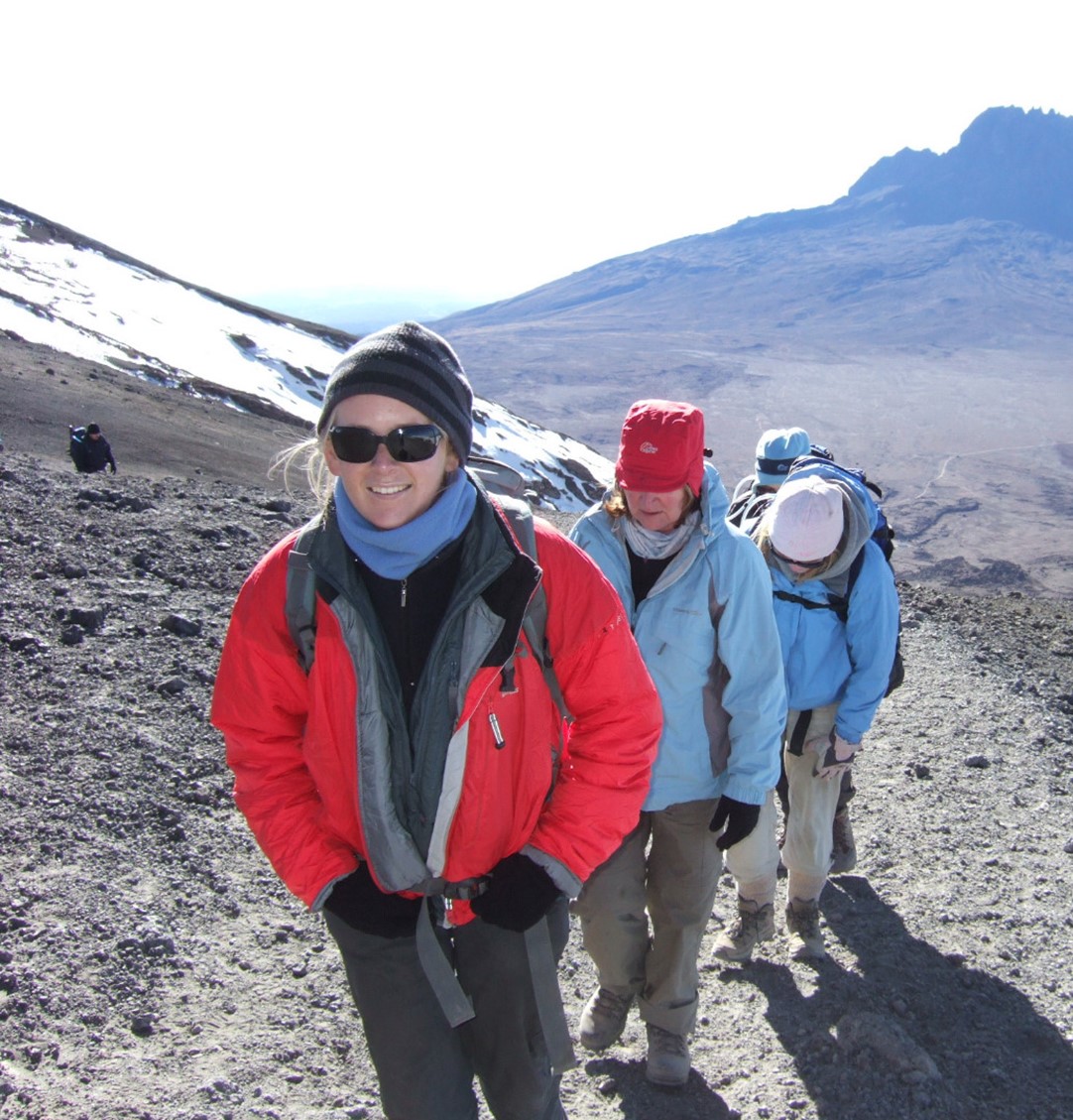
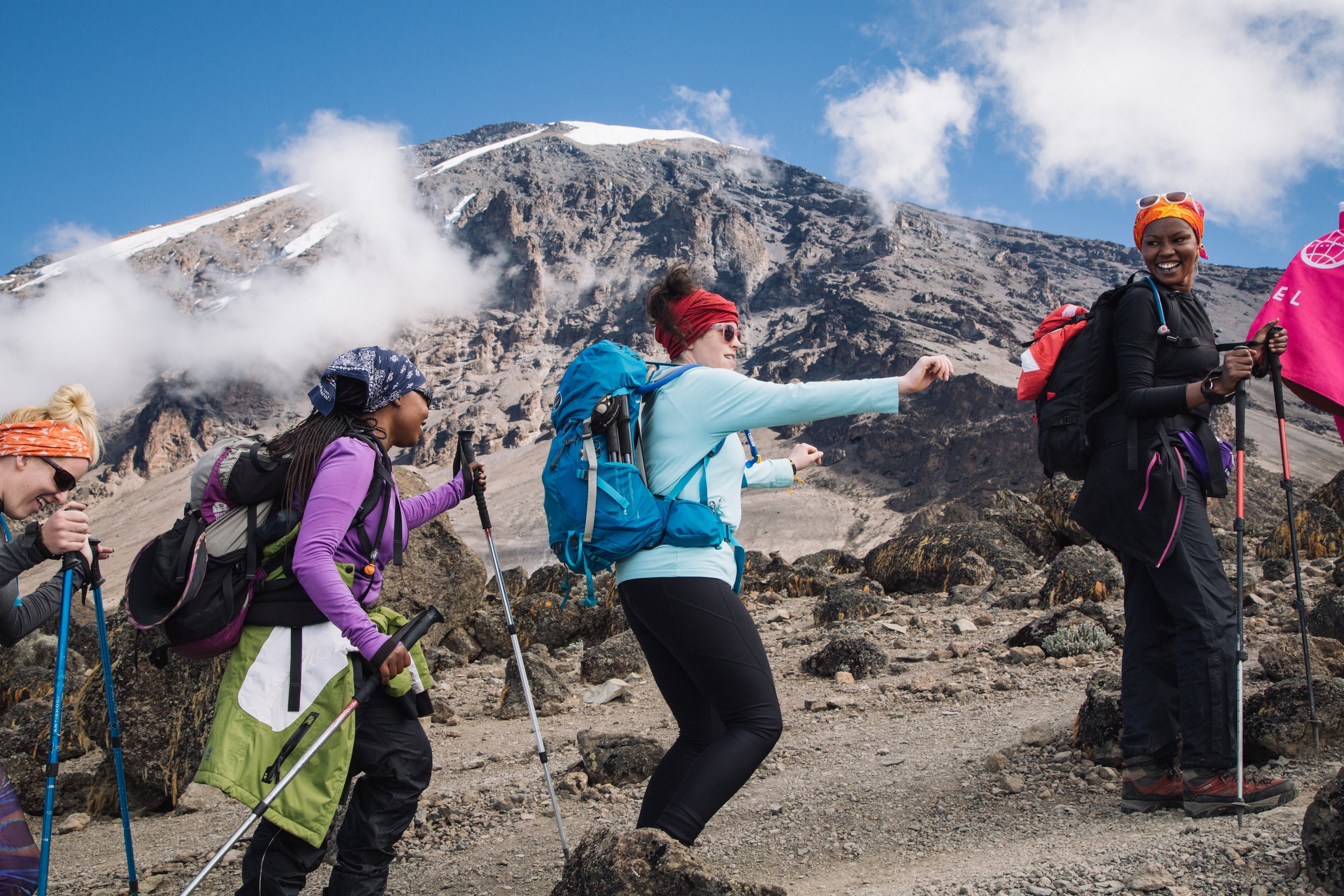
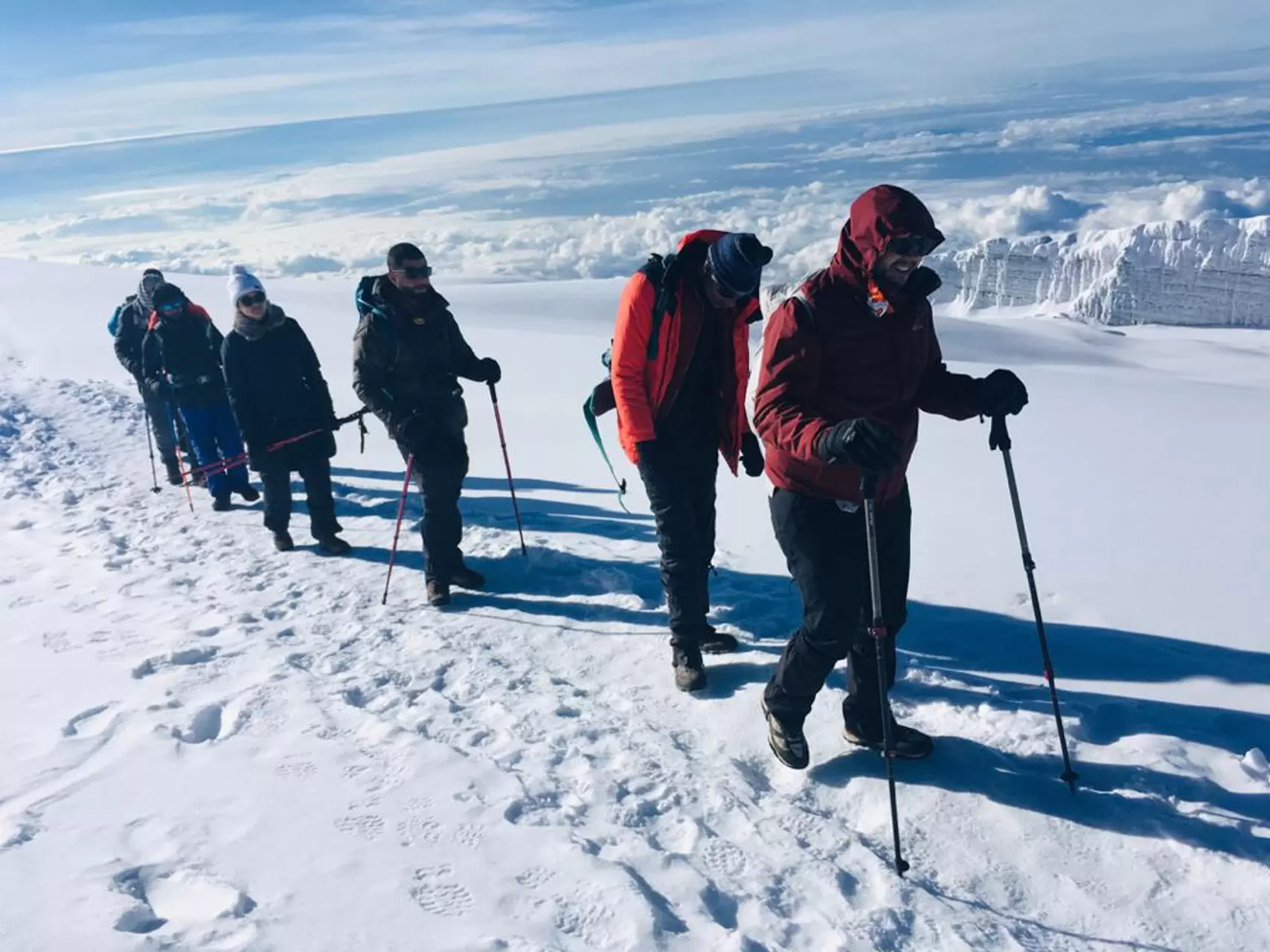
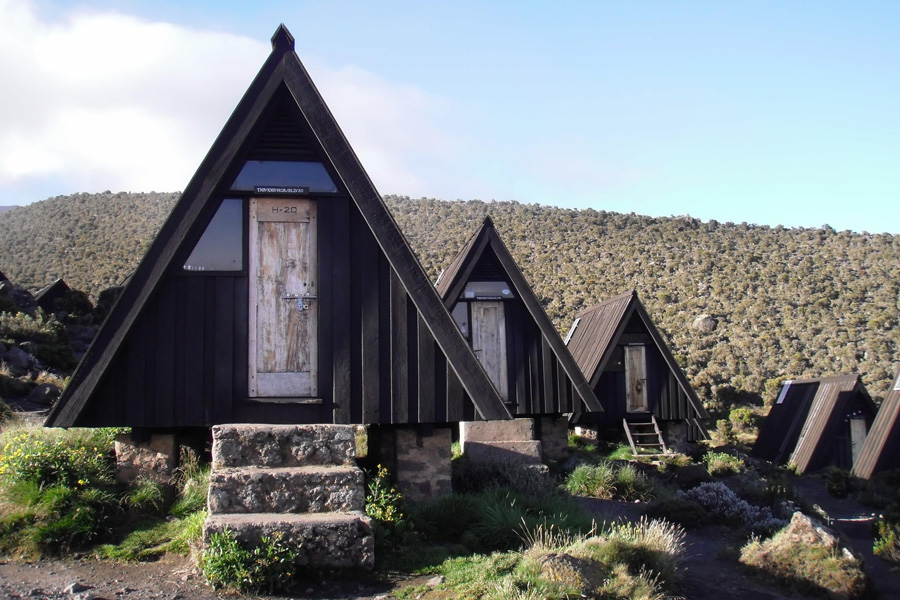
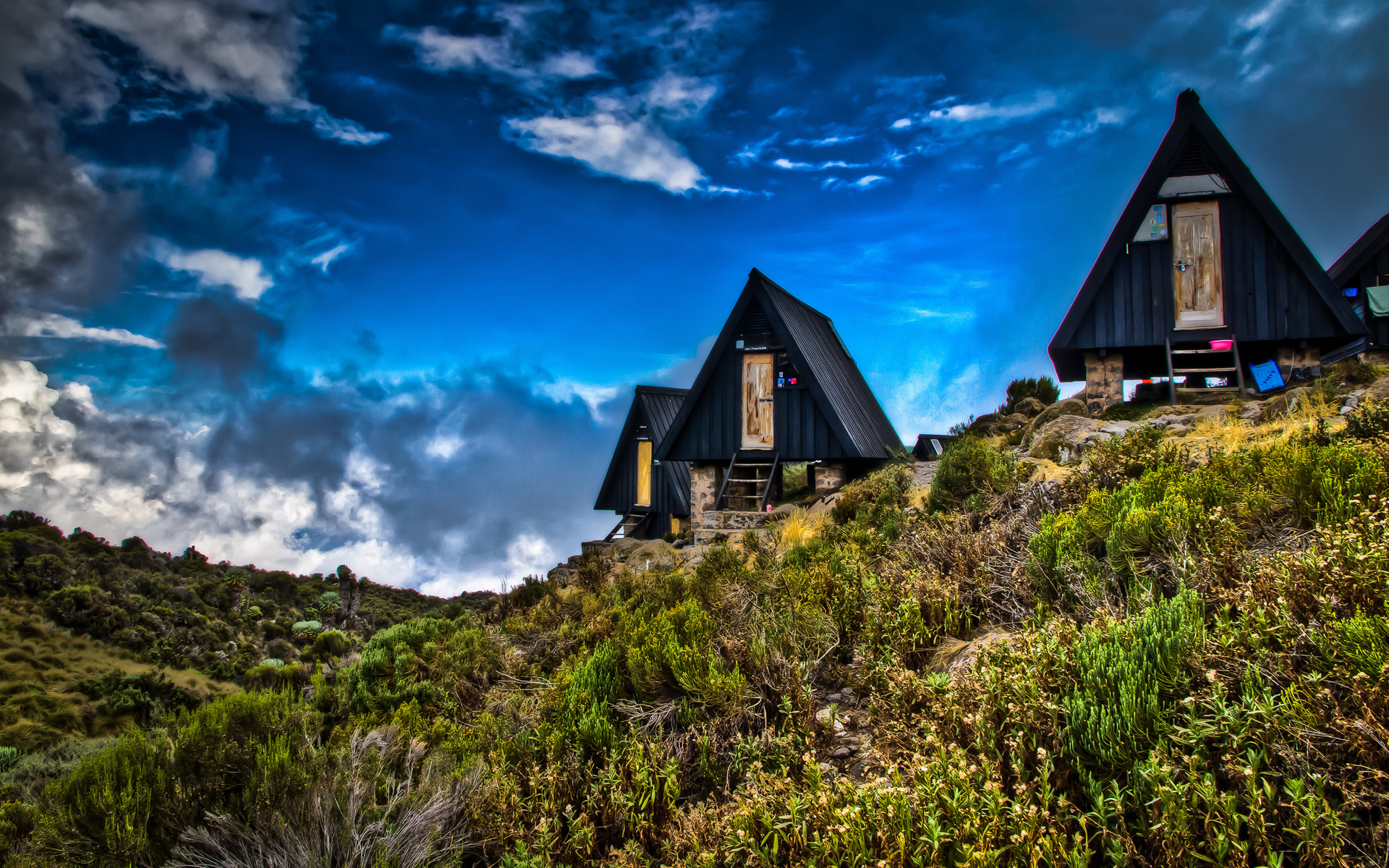
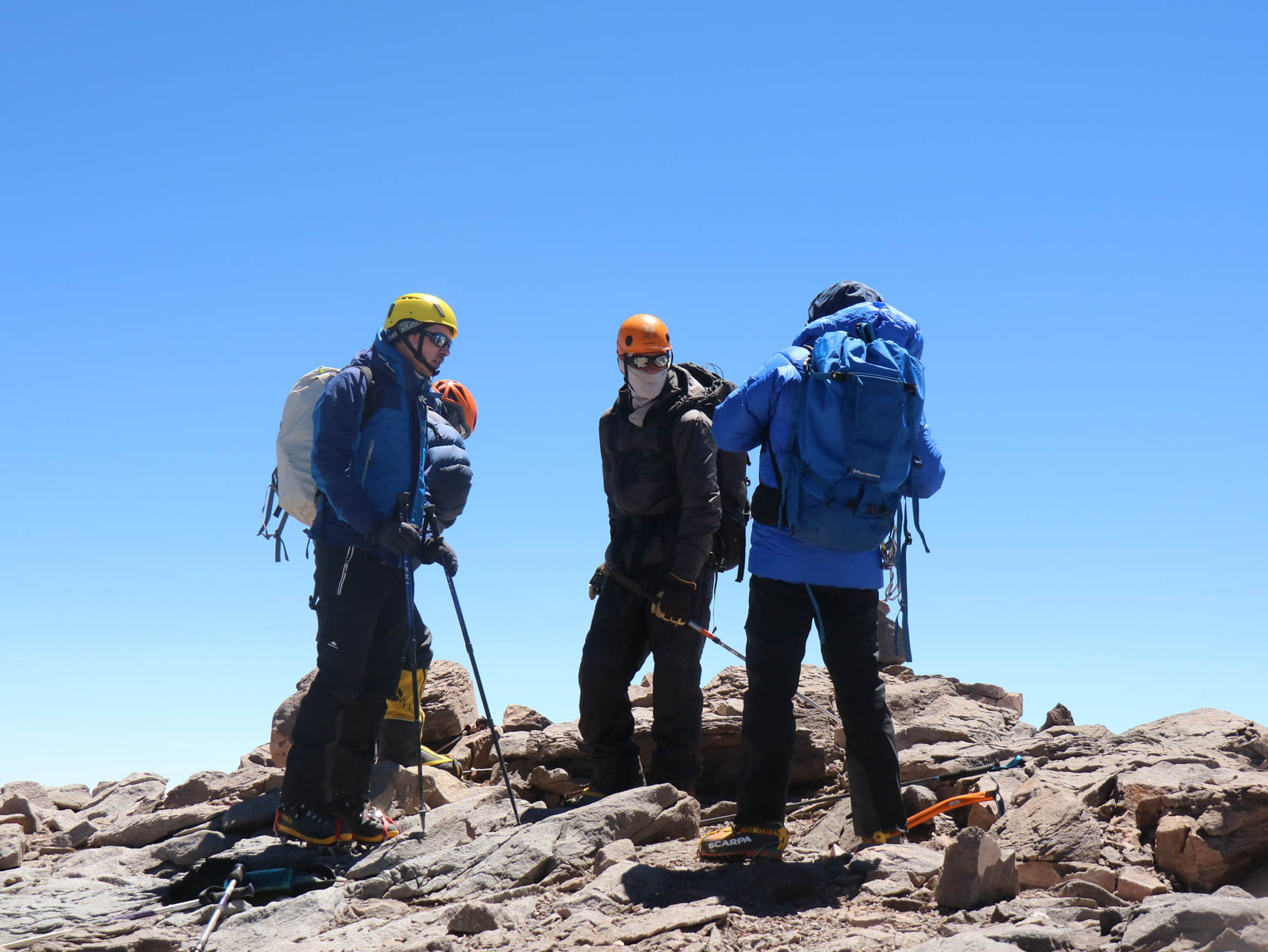
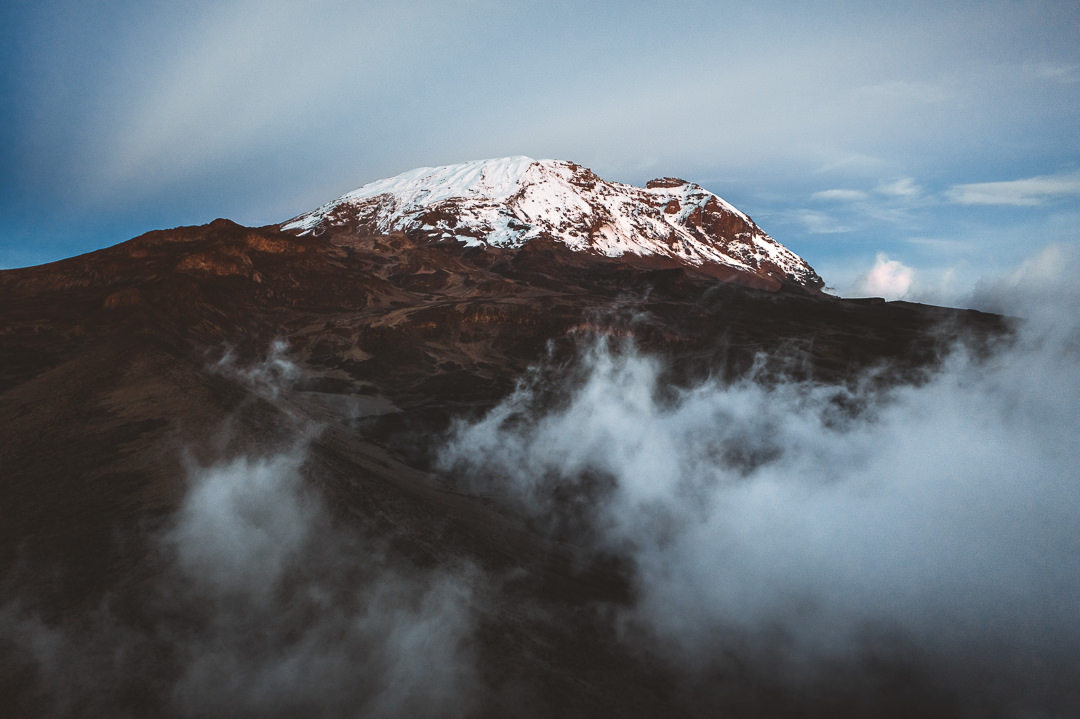
Hiking Kilimanjaro is an unforgettable journey that combines the beauty of nature, physical challenge, and personal achievement. Starting in the lush rainforest, you are surrounded by vibrant plants and wildlife. As you climb higher, the landscape changes from moorlands to alpine deserts, showing different and stunning views. The trek tests your strength and willpower as you face changing weather and high altitude. Along the way, the support of fellow hikers and skilled guides creates a strong sense of teamwork and encouragement.

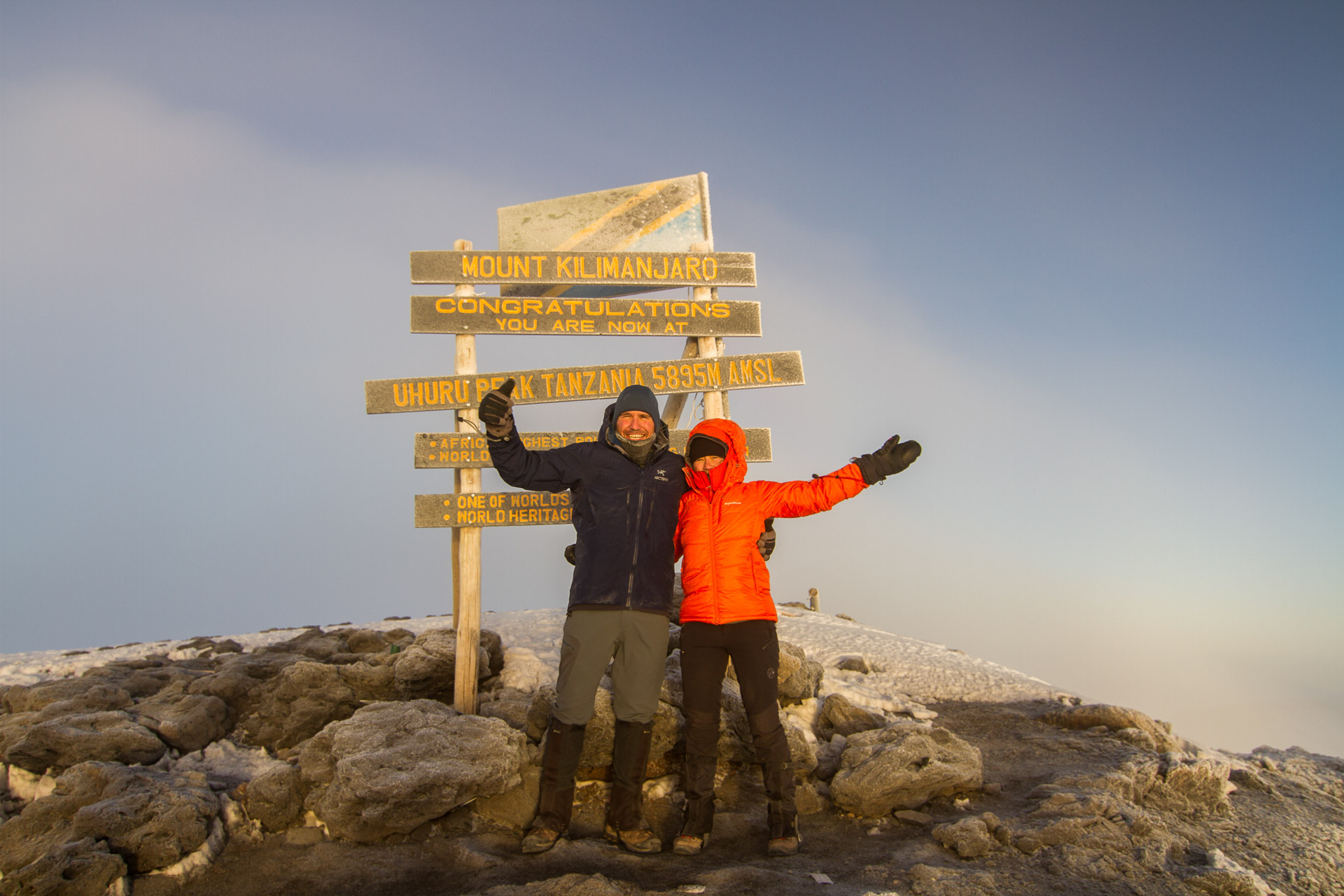
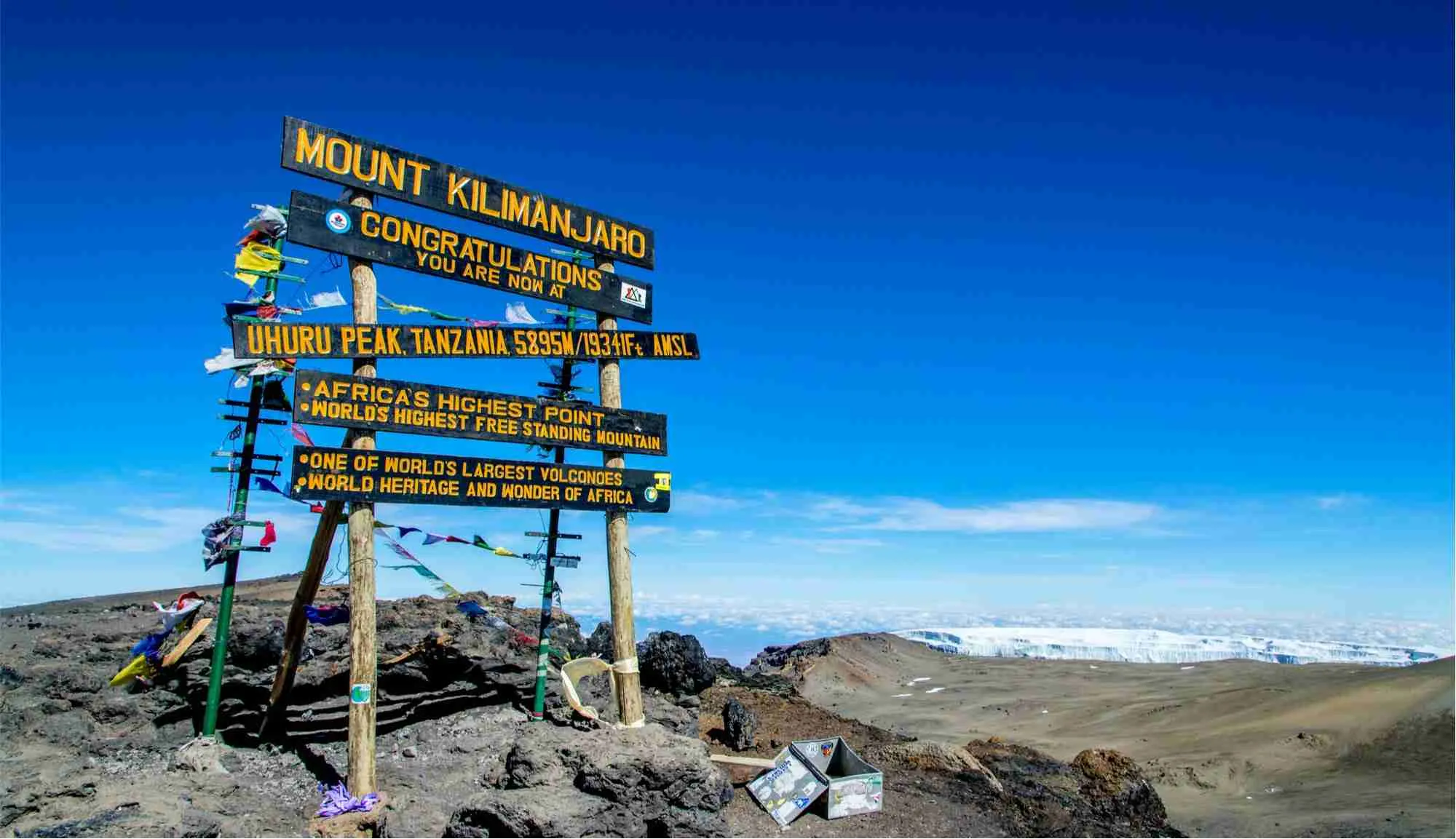
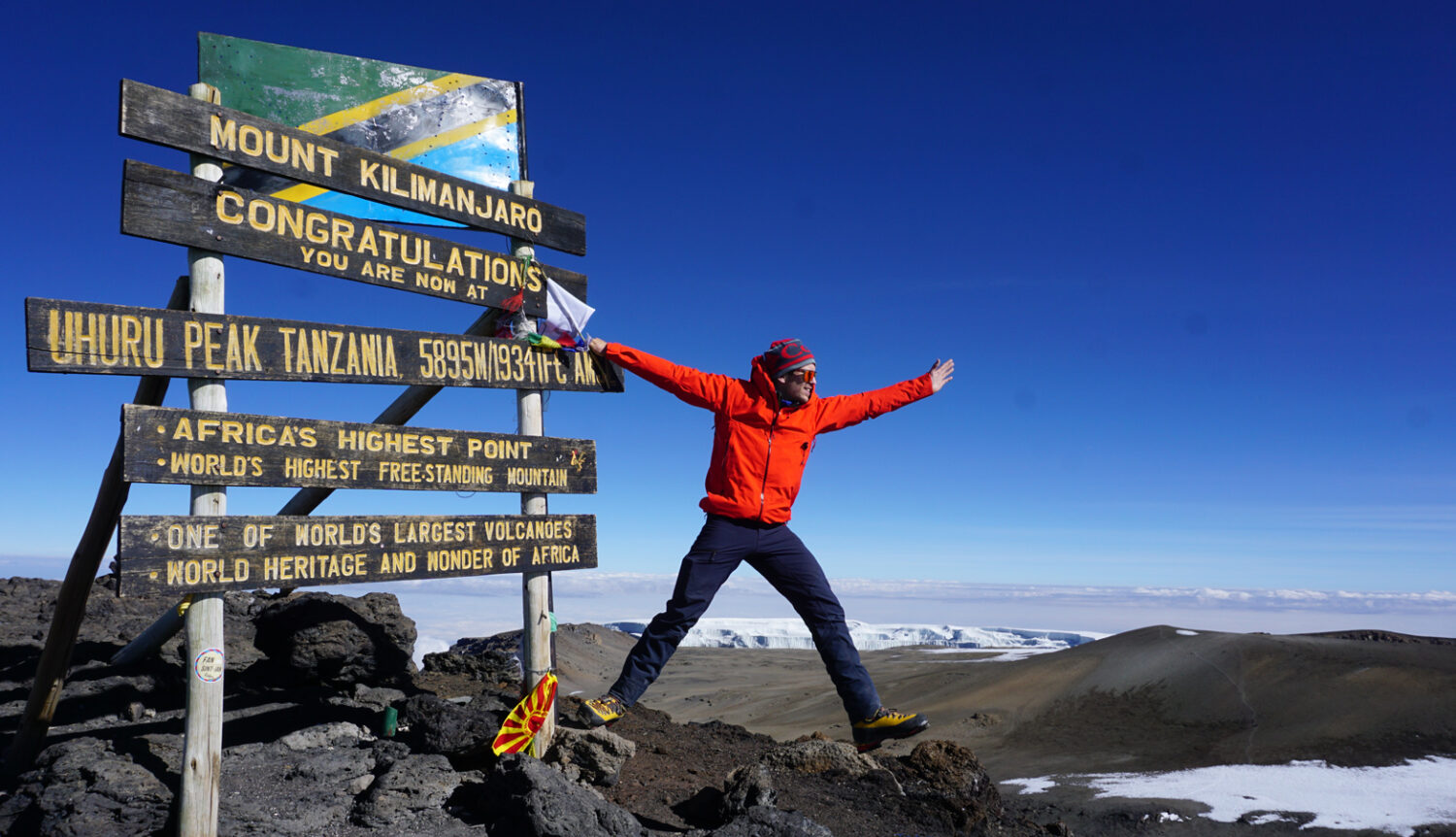
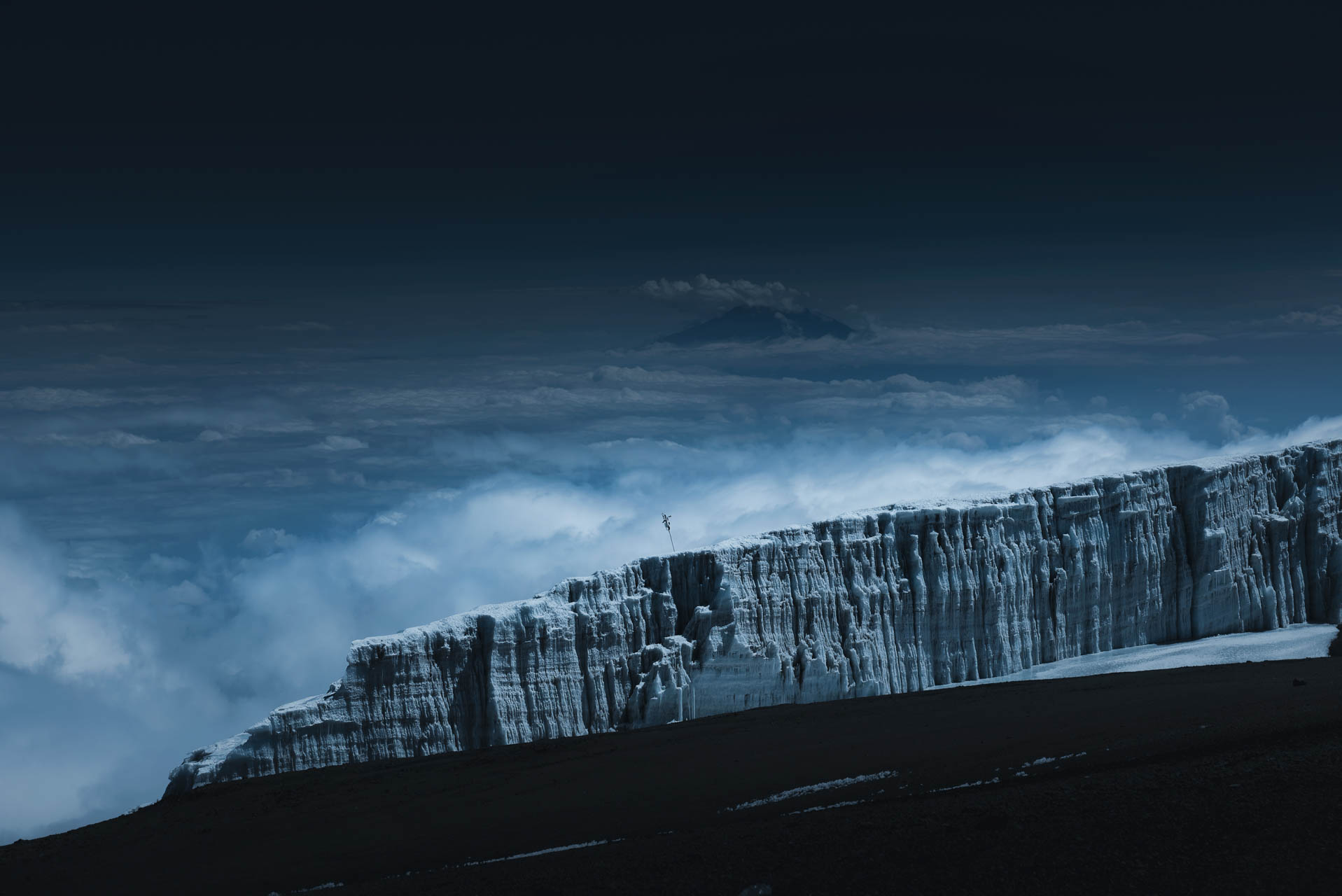
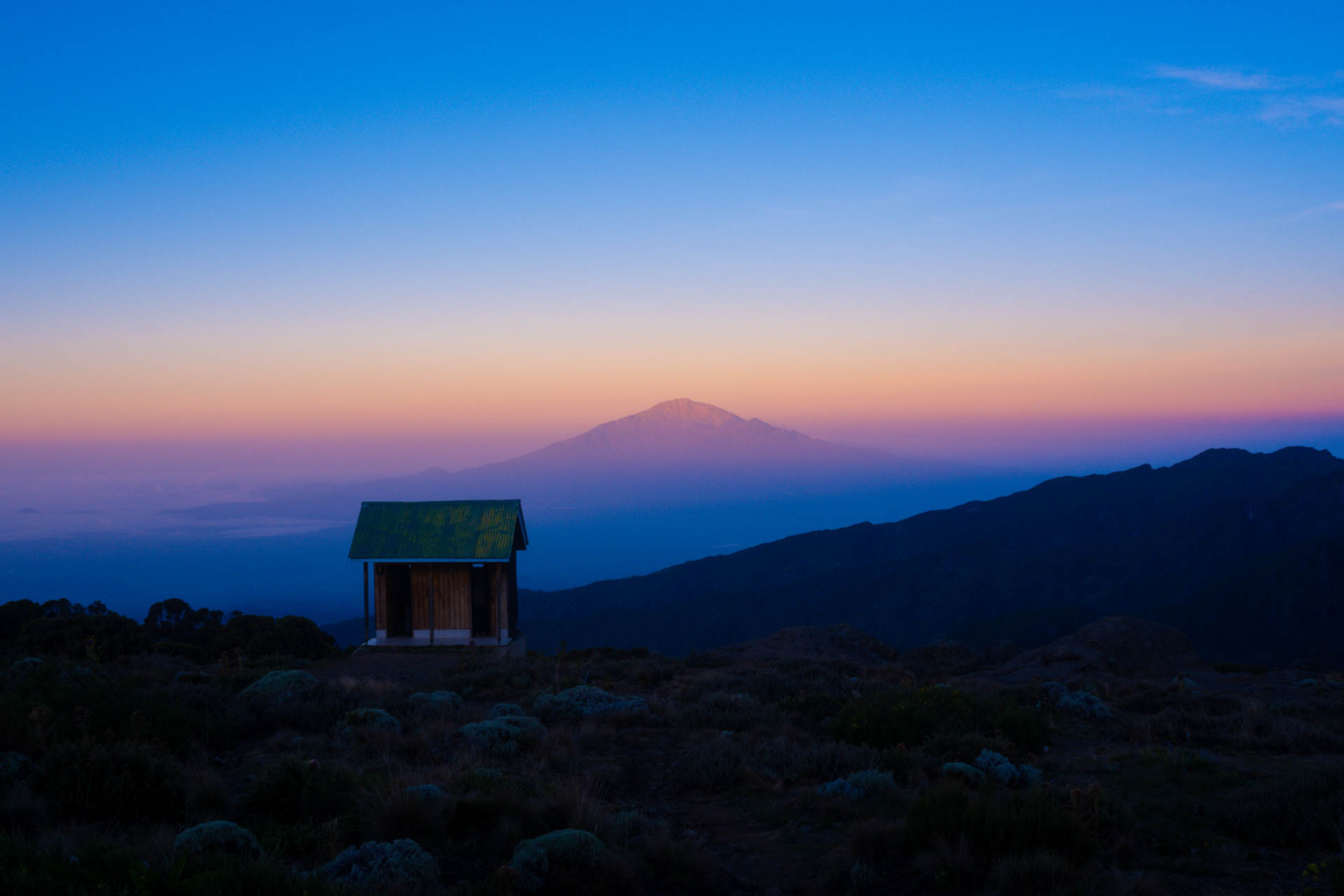
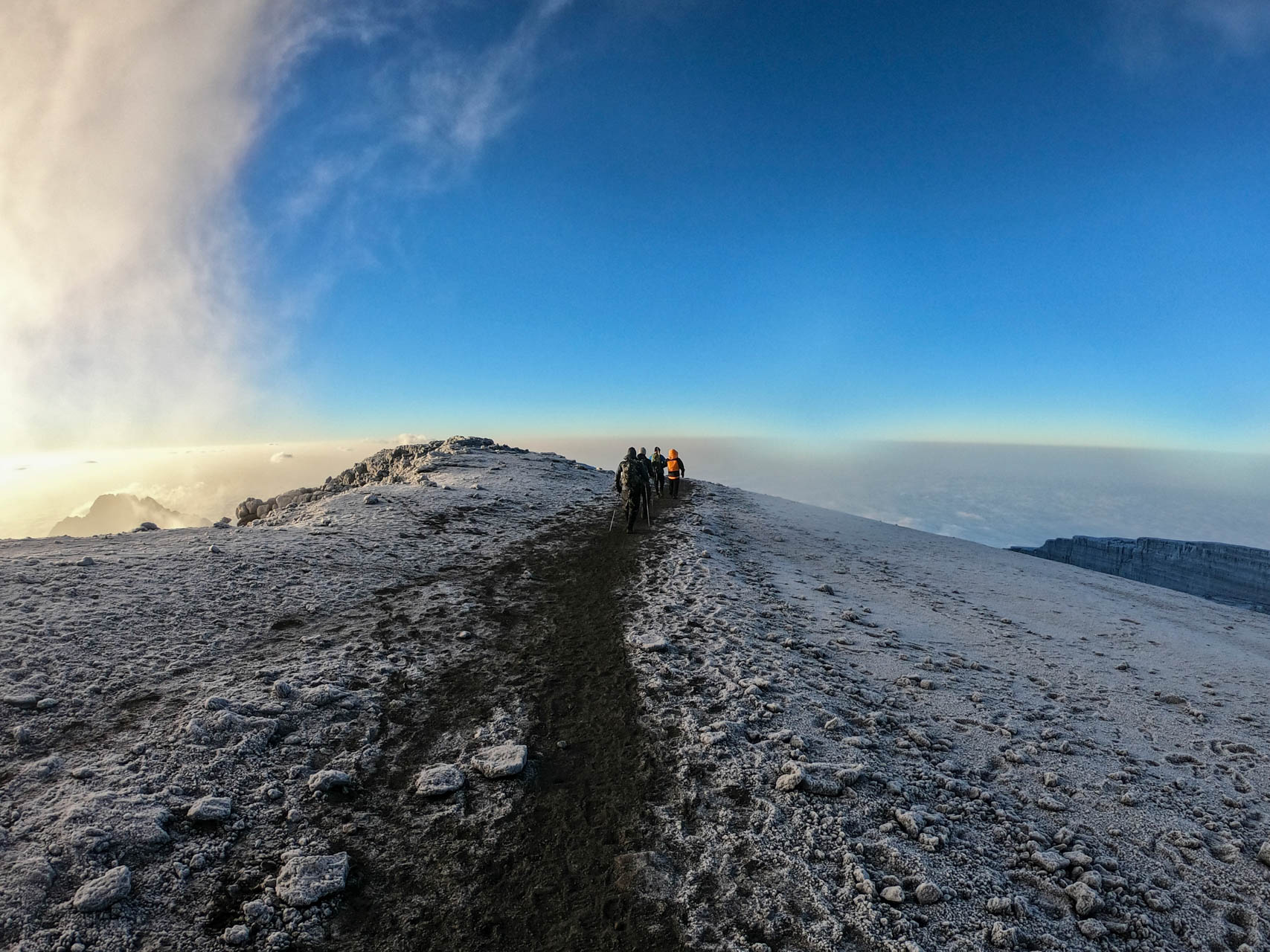
Reaching Uhuru Peak, Africa’s highest point, just as the sun rises, brings a powerful feeling of joy and success, with amazing views of the vast African plains below. Climbing Kilimanjaro is more than just a physical challenge—it’s a journey of self-discovery and resilience through the incredible landscapes of Tanzania.

LET'S TALK

Start planning your tailor-made trip by contacting our Tanzania specialist, Mr. Peter.

+255 766 808 335

Reason to Choose Us

Why You Should Hike With Us

Choosing Twende Africa Tours for your mountain hiking adventure in Tanzania is a smart choice. Whether you’re climbing Mount Kilimanjaro, Mount Meru, or exploring the Usambara Mountains, they offer a safe, fun, and well-organized experience. Their team of experienced guides will support you every step of the way with good equipment, tasty food, and personalized service based on your needs. Twende Africa Tours also cares about local communities and the environment, so your trip will have a positive impact. It’s the perfect way to enjoy the mountains with a team you can trust.

Suggested Tours

Mount Kilimanjaro Hiking Adventures

Hiking Tips

Ultimate Kilimanjaro Hiking Guide

Go Hiking with Us

Alternative Hiking & Trekking Spots in Tanzania

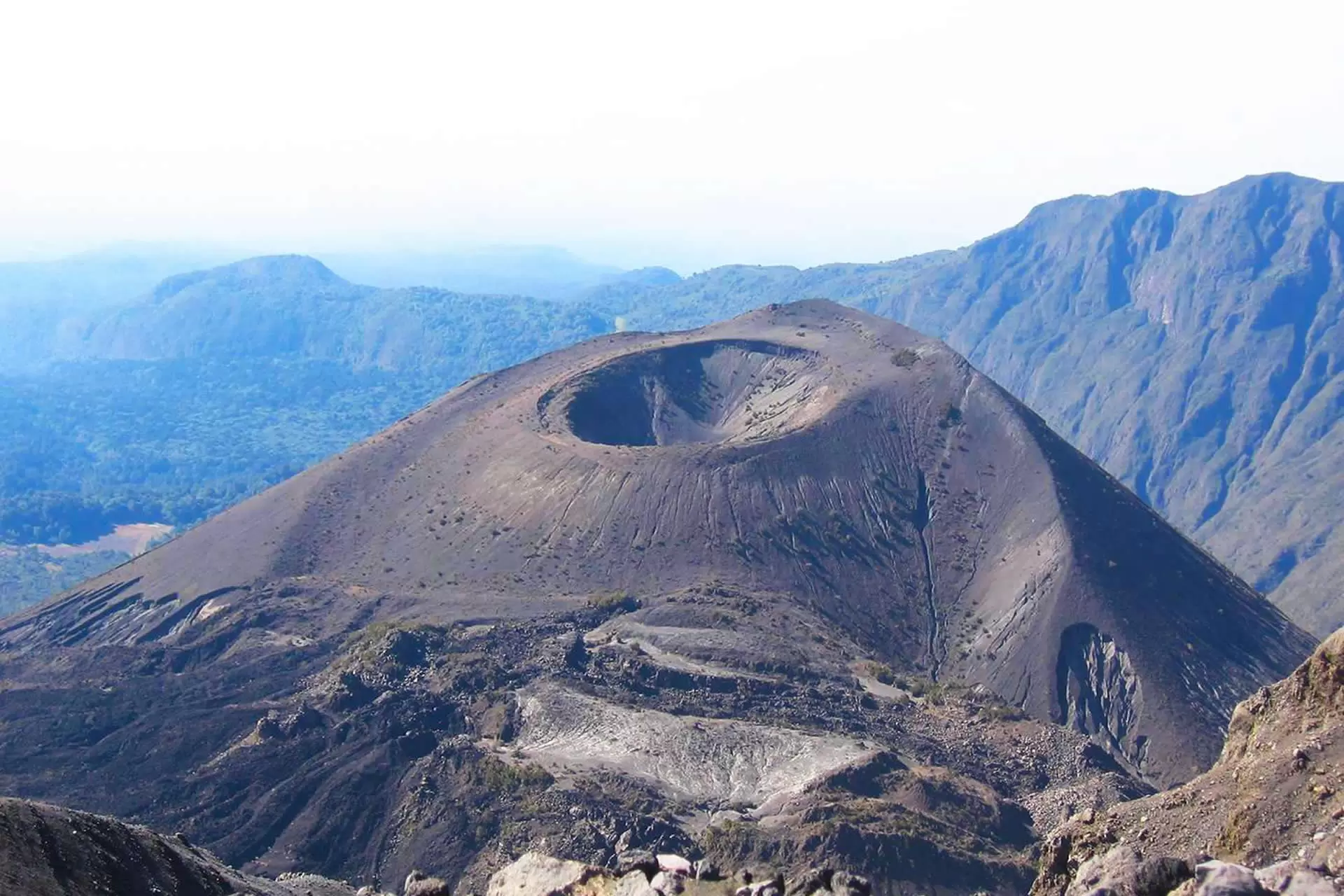
In the land of the world’s tallest free-standing mountain, the hearts of climbers race with excitement. Tanzania captivates visitors of all ages with its stunning landscapes, rugged peaks, and rich vegetation set against unique cultural scenes. Our range of trekking routes provides hiking adventures for everyone, no matter your fitness level or experience.
Mount Meru
Trekking

Mount Meru

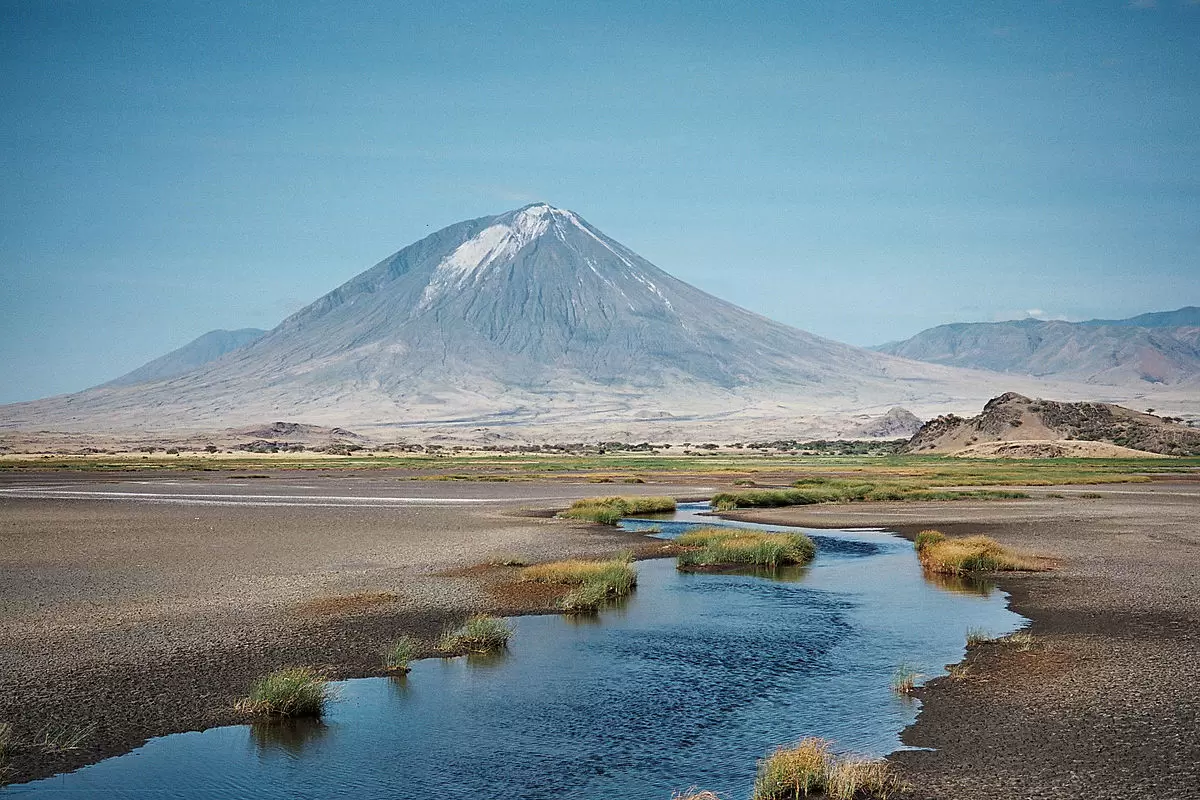
Mt. Ol Doinyo Lengai
Hiking

Mt. Ol Doinyo Lengai

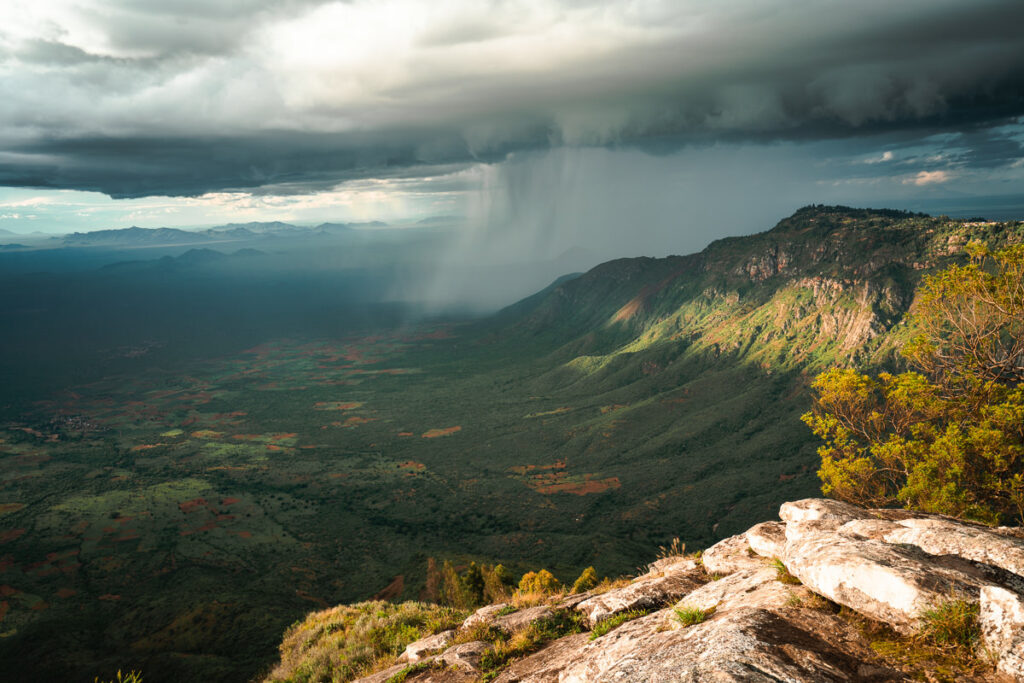
Usambara Mountains
Hiking

Usambara Mountains

Plan Your Climbing Adventure Today
100% Flexible

Plan Your Climbing Adventure Today

ENQUIRE NOW
FAQ's

Popular questions about Kilimanjaro Adventure

Do You Require Technical Skills For Climbing Kilimanjaro?

Kilimanjaro is the only highest mountain which allows you to reach its summit Uhuru peak without any technical skills. Climbing Kilimanjaro is easy compared to other mountains, as it has easier terrains than steeps. However, you may need to use your hands while climbing the Barranco wall as it is the only steep wall in the entire Kilimanjaro zone. This is one of the important Kilimanjaro FAQs and has a proper answer. During wet season you may require hiking poles because the rocks are more slippery. Make sure you wear proper hiking boots or gaiters while you are climbing Kilimanjaro.

What Is The Weather Like While Climbing Mount Kilimanjaro?

The weather in Kilimanjaro is considered as wet season and dry season. Before knowing about Best Time To Climb Kilimanjaro”, the weathers and climates are very important to decide for Climbing Mount Kilimanjaro. All the Kilimanjaro routes pass the ecological or climatic zones where the weather tends to change hourly due to the high-altitude condition and the trade winds. The wet season has more rainfall and dry season has lesser rainfall with more dry days. The main climatic zones are: Cultivation zone, Rainforest zone, Heath or moorland zone, Highland dessert zone and Artic zone. Each zone are unique in its own way and also have a distinct weather conditions all the way.

What Is The Best Time Of The Year To Climb Mount Kilimanjaro?

Best time to climb Kilimanjaro is a major Kilimanjaro Faq’s asked by most of the trekkers. Mount Kilimanjaro can be ascended year around and all the Kilimanjaro routes will support climbing Kilimanjaro round the year. As Kilimanjaro is near to equator the region experiences a very less extremes of winter and summer weather, rather it has wet and dry seasons. Hence, the Best Time To Climb Kilimanjaro is dry season which is warm. It is advised to avoid climbing Kilimanjaro during wet season for beginners. However, if you are with a professional climber and have all the safety precautions taken, then climbing Kilimanjaro in wet season would be really adventures. This also depends on your preference of Kilimanjaro Routes. You will need to choose best Kilimanjaro route and also choose a longer itinerary for better acclimatization.

What Is Provided And What Do I Have To Bring To Kilimanjaro?

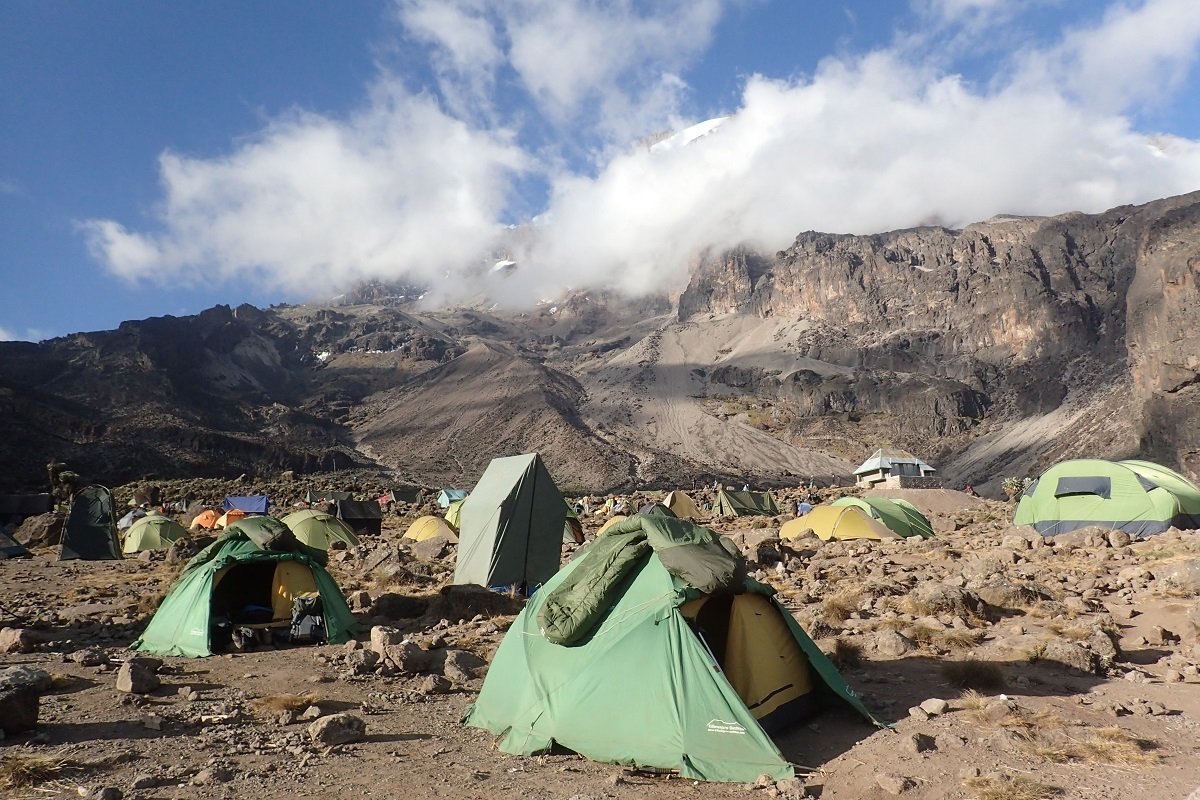
You will be provided with tents, camping gear, food, utensils, and guidance. You should bring your own sleeping bag, water system, personal clothing, light duffle bag, and day pack. Hiking poles can be rented. If What Do I Need To Climb Kilimanjaro?” is your question, the following list is for you. A packing list is provided to all climbers, along with our pre-departure packet:

  • 1 mountaineering sleeping bag
  • 1 LED flashlight with spare batteries
  • 1 Pair of comfortable trekking boots
  • 1 towel
  • 2 fleece jackets
  • 1 down jacket or long-sleeved wind-breaker
  • 1 set of thermal underwear
  • 2 pairs of trekking trousers
  • 1 waterproof jacket
  • 1 pair of waterproof trousers
  • 1 sun hat
  • 1 pair of sunglasses
What Is The Food Like On Kilimanjaro?

The Kilimanjaro Food during your climb will help you to avoid from Kilimanjaro Altitude Sickness. The menu on Kilimanjaro is designed to ensure your food intake matches your level of exertion. It will provide you with a good balance of protein, carbohydrates, fruit and vegetables. When you are at altitude you could start to feel uneasy and your appetite may be suppressed, so the meals prepared at high altitude usually contain more carbohydrates and less protein to help you to digest your food. Your meals will be prepared by your cooks on Kilimanjaro and the food will be carried by your porters. You will be provided with Porridge, Toast, Pancakes, Egg, Smoked sausages, Tea, coffee and Hot chocolate. Sandwiches, Hard boiled eggs, Biscuits, Fruit juice. Soup, Pasts, Rice, Potatoes, Chicken, Beef, vegetables, Salad and Fresh fruits.

What Are The Health Issues On Mount Kilimanjaro?

The Kilimanjaro Food during your climb will help you to avoid from Kilimanjaro Altitude Sickness. The menu on Kilimanjaro is designed to ensure your food intake matches your level of exertion. It will provide you with a good balance of protein, carbohydrates, fruit and vegetables. When you are at altitude you could start to feel uneasy and your appetite may be suppressed, so the meals prepared at high altitude usually contain more carbohydrates and less protein to help you to digest your food. Your meals will be prepared by your cooks on Kilimanjaro and the food will be carried by your porters. You will be provided with Porridge, Toast, Pancakes, Egg, Smoked sausages, Tea, coffee and Hot chocolate. Sandwiches, Hard boiled eggs, Biscuits, Fruit juice. Soup, Pasts, Rice, Potatoes, Chicken, Beef, vegetables, Salad and Fresh fruits.
What Kind Of Help Is Available In Case Of Emergency On Kilimanjaro?

The guides and porters are professionally trained to handle the emergency situations. They are equipped with first aid kits and also trained to provide first aid medicines. In case of any severe emergency the recuse team will be available to help you descend through a stretcher or in case of more sever emergency there will be a helicopter rescue team who will take you to the high altitude medical clinic and transfer to the best hospital in the city.

Drinking Water – Is It Safe And Is There Enough For All The Climbers?

Yes, the drinking water is safe and there will be available enough water for all the climbers. We recommend you to carry 2-3 litres of water with you and add water purification tablets to it. This will help to purify the flowing water in the mountains and you will be safe to drink water in the mountains. It is suggested to drink more water to keep yourself hydrated and energised while Climbing Mount Kilimanjaro.

Is High Altitude Medication Required To Climb Kilimanjaro?

While it comes to altitude sickness, then the question would be “How hard is it to climb Kilimanjaro?” The high-altitude level needs physical fitness and mental determination to climb Kilimanjaro instead of high-altitude medications. However, it is your preference to take high altitude medication while climbing Kilimanjaro, one of the tablet is Diamox which will help you control the high altitude sickness. It make you urinate more. So, we recommend to make yourself fit and train for Kilimanjaro and then attempt to the summit.

Do I Need To Get Any Vaccinations Before I Leave For Kilimanjaro?

It is better to check with your doctor or centre of disease control before leaving for any recommendations. This one of the major Mount Kilimanjaro Facts you should take into considerations. However, while entering Tanzania you will need a yellow fever vaccination certificate and also malaria vaccination certificate. Apart from these other vaccinations are not compulsory. However, it is better to consult your doctor for Vaccinations for Kilimanjaro if you have asthma or any chronic health problems.

Our testimonials

What our traveler say about our services

We have been receiving reviews from our served clients and Twende Africa Tours is rated 5/5 by customers. This honor is given to us by customers because we always remain committed to all our customers to do whatever is needed by them to make their safari fully satisfied.
Travel Tips

Our Mountain Hiking Travel Articles

Planning a hiking trip to Africa? We’re here to help! This page has easy tips and helpful info to guide you through planning your hiking adventure in Tanzania—like what to pack, when to go, and which trail to choose. You’ll also find fun articles about Tanzania’s people, animals, and culture. Everything is shared by the Twende Africa Tours team, who have lived and worked in Tanzania for over 10 years.